The biomechanics of spiraling in space
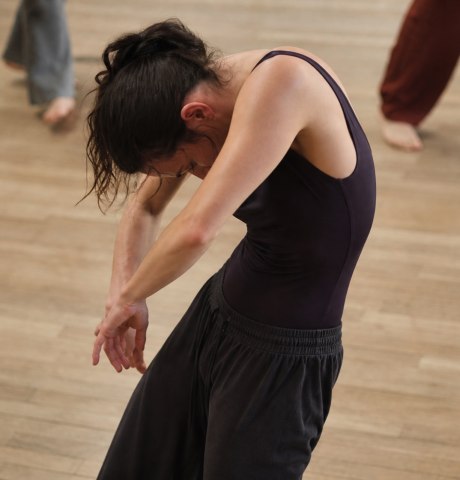
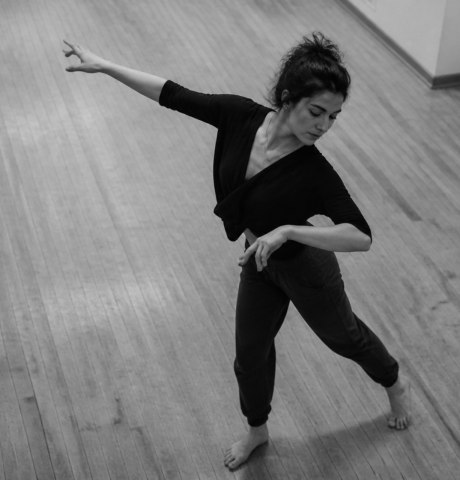
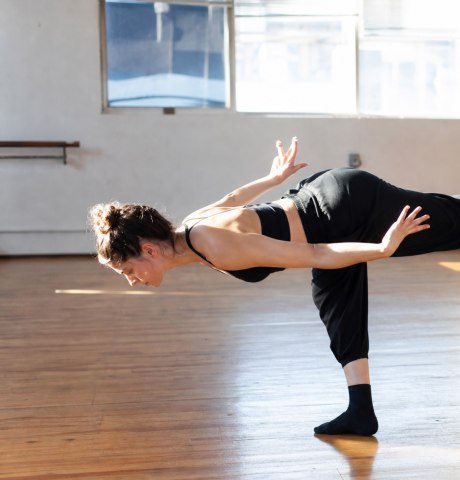
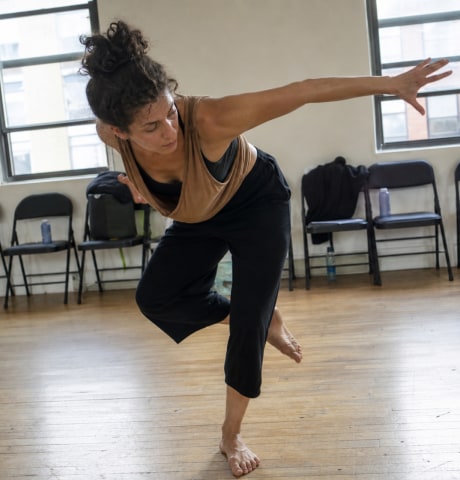
In contemporary dance, the body is not a rigid object that remains in fixed poses. It is a dynamic system of forces, angles, and spirals. When we talk about spirals in contemporary dance, we mean a three-dimensional twisting of the body that usually occurs along the spine. This form of movement uses natural anatomy to generate maximum dynamics with minimal effort. Instead of tensing muscles in isolation, dancers work with the fascial chains that wrap spirally around our body like elastic bands.
Biomechanics shows that spiral movements are the most efficient way to conduct force through the body. Every turn, every change of direction, and every fluid movement in contemporary dance is based on this principle. Anyone who wants to learn release technique in contemporary dance will quickly realize that relaxation in dance only works when the bone structure carries the load. The spiral is the static and dynamic link that makes this effortless power transmission possible in the first place.