
Find your Samba partner on udansa
Find like-minded people on udansa who share your passion for Brazilian rhythms and want to conquer the dance floor with you.



By Mary De LucaUpdated
Find like-minded people on udansa who share your passion for Brazilian rhythms and want to conquer the dance floor with you.
Samba is much more than just a fast dance step for carnival: It is the soul of Brazil, captured on legendary vinyl records that have written music history.
Historical relevance
The decisive factor is the demonstrable influence of the album on the development of the genre and subsequent generations of musicians.
Rhythmic authenticity
The albums must present the typical instruments and rhythmic structures of classic Samba in the highest craftsmanship quality.
Documented release
Only officially released and widely recognized albums were considered, no private bootlegs.
Independent selection
No artist and no label can buy a spot on this list with money or favors.

Rio de Janeiro, 1974, 12 tracks
The debut album from the master of the Mangueira school is a poetic masterpiece. With a gentle voice and virtuoso cavaquinho playing, Cartola set standards for the melancholic Samba Canção that remain unmatched to this day.
Rio de Janeiro, 1974, 11 tracks
Clara Nunes brought the spiritual depth of Afro-Brazilian culture into Samba music. This album is a powerful, rhythmic monument that builds a bridge between the traditions of Bahia and the streets of Rio.
São Paulo, 1974, 12 tracks
Adoniran Barbosa gave a voice to the working class of São Paulo. With his characteristic raspy vocals and humorous, everyday lyrics, he created his own unmistakable Samba style far from the postcard idyll of Rio.
Rio de Janeiro, 1980, 12 tracks
This album marks the birth of the modern Pagode style. By introducing new instruments like the Repique de Mão, the group revolutionized the sound and brought Samba back to the backyards and beer gardens.
Rio de Janeiro, 1975, 12 tracks
As one of the most significant female voices of Samba, Alcione delivered a work full of passion and rhythmic energy with this album. Her powerful voice left a lasting mark on the romantic Samba sound of the late seventies.
The evolution of Samba is inextricably linked to the technological and social developments of Brazil. In the 1960s and 1970s, the vinyl record became the most important medium for bringing the voices of the favelas into the bourgeois living rooms of Rio de Janeiro and São Paulo. Albums like those by Cartola or Clara Nunes were not mere entertainment products, but political and cultural manifestos. They gave a marginalized population group an unmistakable voice and made the Samba rhythm the undisputed national treasure of Brazil.
For dancers, studying these historical recordings offers an invaluable advantage. Anyone who understands the Samba history and its origins and has the classic milestones in their ear develops a completely new feel for the accents and the typical syncopation of the dance. Regardless of whether you are interested in elegant partner dance or want to learn Samba no Pé: The historical records train the ear far beyond the level of simple, modern metronome playlists. They teach us that Samba does not just consist of tempo, but above all of devotion, melancholy, and pure joie de vivre.
The 1974 album 'Cartola' is considered the most influential Samba album of all time. It combines the artist's melancholic poetry with the rhythmic precision of traditional Samba de Terreiro.
Classic Samba songs are characterized by acoustic instruments like the cavaquinho, the pandeiro, and the surdo. Furthermore, they often focus on socially critical or poetic lyrics that tell real-life stories.
Yes, absolutely. Listening to complex, handmade rhythms trains your ear for typical syncopations. If you understand the musical accents of the classics, you can move much more intuitively and expressively on the dance floor.
Experience the true rhythm of Brazil and learn Samba from scratch at a dance school in your area.
BallroomMeißen · Germany
Tanzkreis | PROFESSIONALTuesday · 20:15 · Oct 27, 2026 - Jan 5, 2027
“Ein Haus für Vieles” - Saal Tanzkurse
 History of Samba: The roots of the Brazilian heartbeatThe history of Samba is a journey full of rhythm, culture, and resistance. Discover the fascinating African roots and the instruments that shaped this global success.
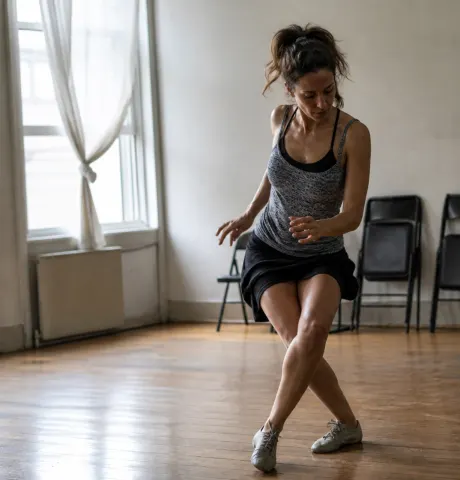 Learn Samba no Pé: Your start in solo danceSamba no Pé is Brazil's most famous solo dance. Learn here how to systematically build the basic step and master the fast tempo.History of Samba: The roots of the Brazilian heartbeatThe history of Samba is a journey full of rhythm, culture, and resistance. Discover the fascinating African roots and the instruments that shaped this global success.
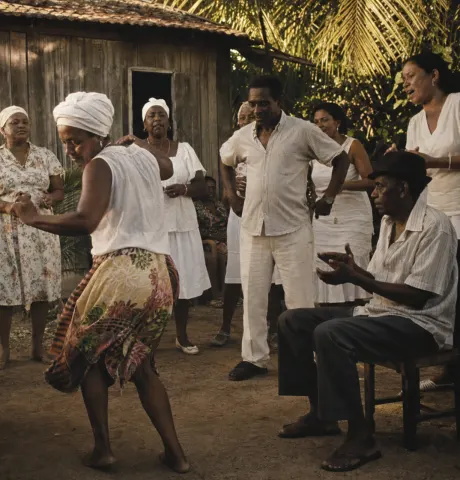 The history of Samba schools in Rio de JaneiroDive into the fascinating origins of the Samba schools in Rio de Janeiro. Learn how social protest and Afro-Brazilian rhythms evolved into a global cultural treasure.
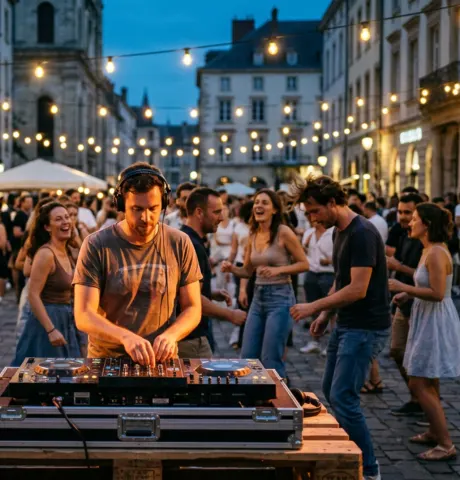 Samba Music Trends: How the sound is evolving todaySamba is more alive than ever. We take a look at the current music trends in 2026 and show you how electronics and tradition are merging.
 The history of Bossa Nova: The elegant sister of SambaIn the late 1950s, Bossa Nova revolutionized the music world by blending the wild energy of Samba with the cool elegance of jazz. Learn how this intimate sound emerged in the coastal districts of Rio de Janeiro.
 Samba de Roda History: The Cradle of Circle Dance in BahiaSamba de Roda is the historical cradle of the Brazilian national dance. Learn how this traditional circle dance originated in the state of Bahia and why it is protected today as UNESCO World Heritage.
 Samba Roda structure: How to host a traditional sessionLearn how to structure a traditional Samba Roda musically, which unwritten laws apply within the circle, and what the perfect session flow looks like.
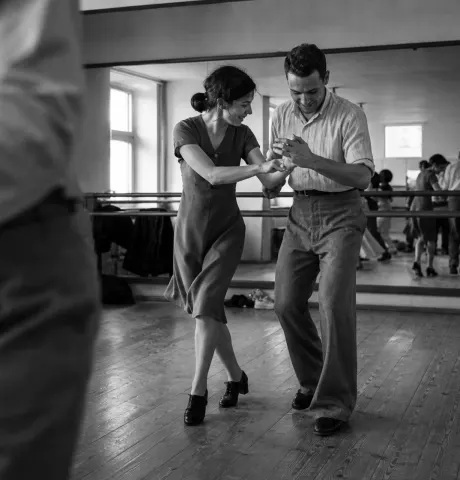 History of Samba in Europe: The Journey Across the OceanThe journey of Samba from the streets of Rio to European ballrooms is a story full of fascination, misunderstandings, and cultural adaptation. Learn how the rhythm conquered Europe.