Your ballet journey with company
On udansa connect, you can find other adults in London who also want to start ballet. Taking your first class together can make it easier to take the plunge.

By Bernhard De LucaUpdated
On udansa connect, you can find other adults in London who also want to start ballet. Taking your first class together can make it easier to take the plunge.
Between wanting to try ballet and taking your first class, there is often an English course name. It can sound like an open introduction, even though step names and movement sequences are already expected in class.
Barre refers to the ballet barre and also to the part of a class where you use it for light support during basic exercises.
If you’re looking for adult ballet in London, you may come across the term Adult Ballet. It tells you who the class is intended for. It doesn’t tell you whether you can join without experience: adults with many years of ballet experience also attend adult classes.
So it’s important to distinguish between two things when you’re starting out: the target group and the required skill level. Absolute Beginner, Complete Beginner or No experience required are clearer signs that a class is suitable for beginners with no ballet experience than the word Adult alone. However, these terms aren’t qualifications with a universally standardised definition.
Classes with no prerequisites cover things experienced dancers do without thinking: standing upright, distributing your weight, starting a movement to the music and telling right from left while the teacher demonstrates. You don’t need to know any typical ballet steps beforehand. Experience with other forms of movement also doesn’t automatically mean you know ballet positions.
The overview of dance classes in London by learning goal can help you start your search in the right class category. For ballet, the specific prerequisites matter more than a course title that sounds generally welcoming.
Adult Beginner suggests foundational classes for adults. Still, a class like this may assume you already know basic foot positions or simple exercises. Beginner level and your very first class are not automatically the same thing. If you’ve been practicing the basics for a while, you can still learn meaningfully in a Beginner class.
Open Level often means that people with different levels of experience take part together. The teacher may offer simpler and more challenging variations of a movement. This is helpful if you have a basic understanding, but it may mean the starting movement is already familiar to you. An open approach doesn’t guarantee a slow pace of explanation.
Open Class can refer to a class that anyone can attend, while Drop-in describes attending a single class rather than booking a series. Both terms refer more to the format than to your ability. A single class can also be specifically intended for complete beginners.
When labels are unclear, a useful tip is to check the prerequisites in the class description. Phrases like “basic positions are introduced” or “some basic Barre experience expected” make the difference clear: one describes what you’ll learn, the other the expected starting point.
Correct
Myth
At udansa, you can find classes in London and choose lessons that don't require any prior ballet experience.
An open course access does not tell you how much time the lesson allows for explaining a new movement.
In a beginner ballet class, the work often starts at the barre. In a Plié, you bend your knees with control; in a Tendu, one foot glides along the floor and extends. At first, the challenge is less about big movements and more about combining several small tasks at once.
The turnout of your legs comes from your hips and stays within your available range of motion. Turning your feet far outward while your knees point forward does not create a better ballet position. Likewise, your hand should support you at the barre without you gripping it or pulling yourself up.
An accessible introduction leaves room to understand footwork, arms, and musical timing separately at first. A short sequence without the barre can then show you how to use what you have learned while standing freely. In common mistakes when copying dance movements, you can see why looking only at the form is not enough.
You can tell that a fundamentals class is a good fit when the task makes sense, even if you cannot do it yet. Small movements, clear explanations, and measured repetition are not an inferior substitute for “proper” ballet. They form the technical foundation for more demanding movements.
A shared starting point with recurring exercises
A connected beginner series can introduce terms and movements step by step. Repetition takes on meaning because the group builds on what it already knows. Regular attendance helps, so you don't miss the connections between classes.
A flexible way to practice repeatedly
A class you can book individually can also be a fundamentals class. The group may change, while familiar exercises return. To get started, what matters is whether the class is explicitly open to people with no ballet experience, not just whether it offers flexible booking.
You are not automatically too old to start ballet at 40 or 50. Adult classes can teach you the basics regardless of whether you have danced before. Your age alone does not determine your flexibility or stamina; what matters is finding a suitable class and moving within your personal limits.
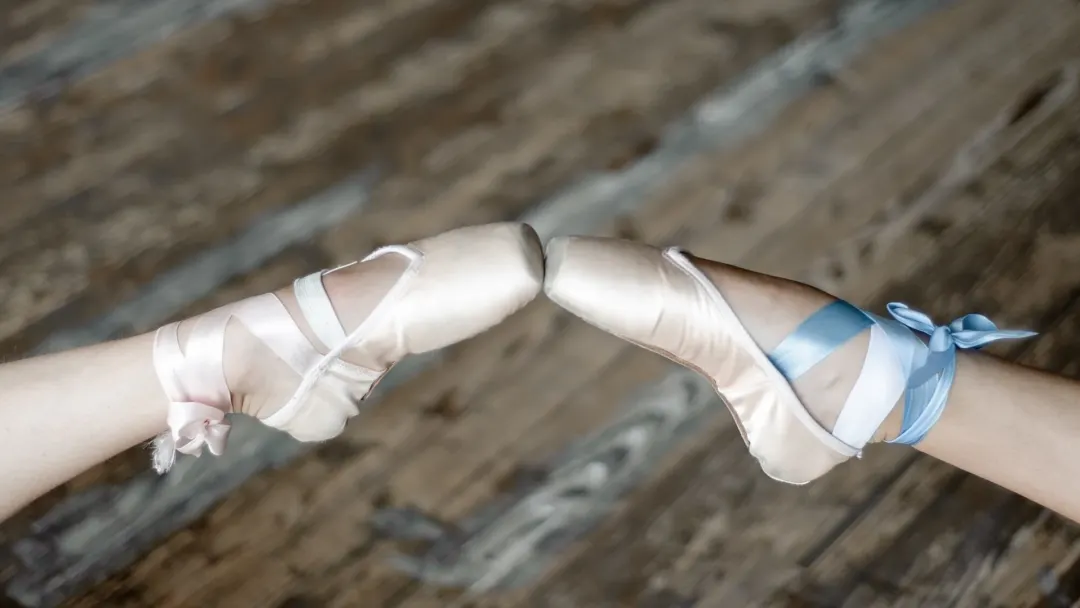
For your first class, wear comfortable clothes that fit closely enough to let you move your knees and hips freely. Tighter trousers make it easier to see your leg alignment. Ballet slippers are typical class shoes; pointe shoes are not for beginners. Depending on the floor, socks can be too slippery.
No, being able to do the splits is not a requirement for starting ballet. First, you will learn controlled weight shifts, basic footwork, and how to align your knees and feet. Flexibility develops differently for everyone; a greater range of motion is no substitute for proper technique and should not be forced through painful stretching.
You do not need a dance partner for regular ballet basics classes. You will work mostly on your own positions, movements, and short sequences, often at the barre to begin with. Partner work is a separate area of instruction and is not a necessary prerequisite for starting as an adult beginner.