There's room for dancing while studying
On udansa, you can find dance partners in Rome to talk with about study periods and a temporary stay for your studies.

By Mary De LucaUpdated
On udansa, you can find dance partners in Rome to talk with about study periods and a temporary stay for your studies.
Between handing in an assignment and your next lecture, a free evening can sometimes feel like borrowed time. A dance partner shouldn’t add extra expectations to that evening, but make an encounter possible that you can look forward to.
Social dancing means dancing together to meet people and enjoy leisure time, without aiming for a performance or competition. Dance partners may change.
During your studies in Rome, you first meet people through seminars, study groups or shared breaks. Having similar assignment deadlines gives you a reason to talk, but it doesn't mean you share an interest in dancing. Someone may enjoy going out and still have no interest in partner figures. Others want movement as a way to unwind, without following a fixed training schedule.
Social dancing makes this distinction clear: you can dance together for one song without turning it into a regular date. A class, on the other hand, has a learning structure. Basic steps, weight changes and noticing your partner's cues are repeated so you can use them later when the music starts. So if someone misses several sessions, they may know different material from someone who keeps attending.
Sharing student life doesn't mean you share the same idea of dancing. Personal connections can be a starting point; on udansa, you can look for dance connections beyond your immediate student circle. When it comes to classes, it helps to understand the differences between dance classes in Rome: a connection for dancing together now and then and a partner for ongoing practice don't need to have the same availability. This distinction takes some pressure off the search.
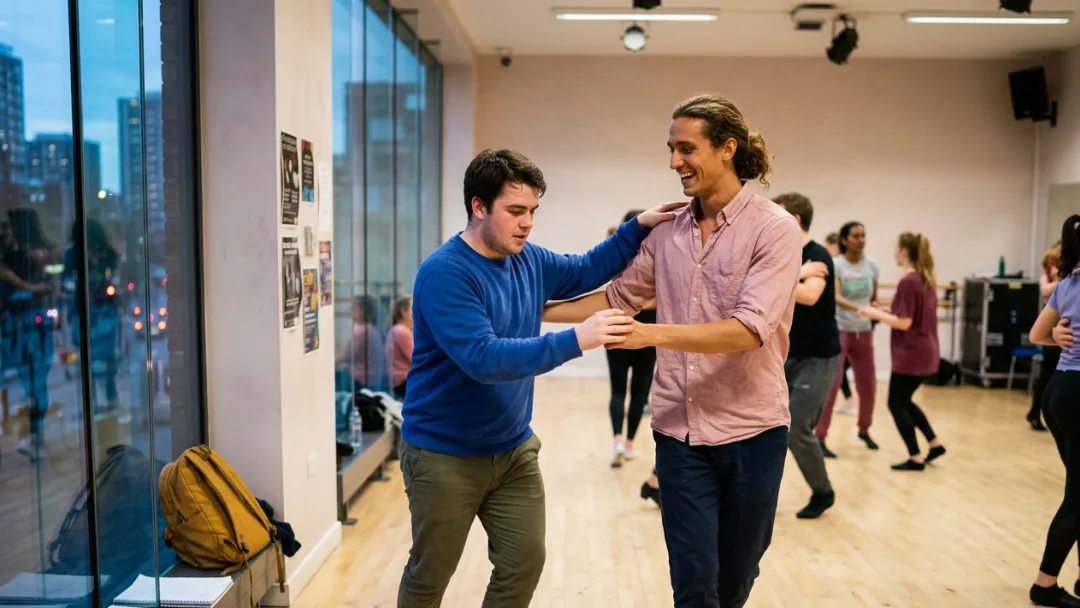
An exam period takes up more than just your free hours. After focused studying, you may also have less attention to spare for music, balance, and touch. In partner dancing, you might notice this when you recognize a lead later than usual or take a step before fully shifting your weight. Moments like these say little about how much you enjoy dancing with someone.
Misunderstandings arise when less participation is interpreted as less interest. Naming a study period gives the break an understandable context. A brief message can maintain personal contact without involving a dance date. You don't have to demonstrate progress during an intensive work period for the connection to continue.
After the break, your learning progress may differ. If your dance partner has learned new figures, you won't automatically be able to dance them just by trying them together. Starting with familiar movements makes it easier to read each other's signals again. Getting back into it isn't a test to catch up. Contractual course breaks are a separate matter: the guide to pausing a dance course explains the differences between a break in contact and course fees. Personal agreements don't replace contractual terms.
A yes that works
Don't do this
In the course filter, you'll find the latest classes and dates in Rome that fit your study breaks.
A break from learning doesn’t have to mean a break in contact, as long as both know what’s possible right now and when they’ll hear from each other again.
When you're on an Erasmus stay in Rome, it may already be clear when you first meet that you'll be leaving again. That doesn't make dance connections any less valuable. Finding a rhythm together, finishing a turn with control, or returning to the basic step after a figure are complete learning experiences. They don't require a promise that you'll stay beyond the end of your time there.
A limited timeframe becomes difficult mainly when you see it as a challenge to catch up on as much as possible. Learning lots of new figures puts greater demands on your sense of direction and reactions. When you're under pressure to learn, a smaller repertoire can feel more comfortable because you can focus on the music instead of constantly planning your next move. Your dance partner can benefit too, by setting familiar signals more clearly.
A longer stay, on the other hand, allows for learning phases that span several semesters. The pace can vary. What matters is whether dancing together suits the energy you have available. A social connection can last even when you're not learning any new technique. So you can alternate between learning, dancing along occasionally, and taking a quiet break, without treating every encounter as a decision for or against a long-term dance partnership.
When your study stay has an end date
An Erasmus stay or a single semester can make room for regular dance meetups. A manageable learning goal, such as confidently dancing a familiar sequence of figures to the music, can be shared without expecting you to keep making progress together after you leave.
When you stay in Rome for several study periods
Over the course of longer studies, the intensity of your interaction can change. During quieter phases, you can take in new material, and during busier phases, maintain what you already know. That way, you don’t need to train the same amount every semester for you to keep learning together.
Your dance partner does not have to be a student. What matters is that your available times and expectations work well together. Similar schedules can make it easier to arrange things, but they do not guarantee that you will both have the same evenings free. People outside your university circle can also understand what exam periods are like.
An exam period does not automatically mean that you will forget how to dance. After a break, your sense of rhythm, balance and reactions as a couple may initially feel less secure. Familiar music and basic steps you already know can help you get back into it without having to recall your entire repertoire of figures straight away.
You can dance together without speaking Italian if you find a way to communicate that works for both of you. Demonstrating movements can help, but it does not replace clear communication about touch, roles and boundaries. A few shared terms and visible counting cues can help you communicate while practising.
A short dance break can be a good idea if it genuinely fits into your day and does not leave you feeling rushed. Familiar steps require little preparation. New partner figures, on the other hand, require attention to spacing and signals, which you may not have after an exhausting study session.