Dance schools4 minutes

Dance schools in Munich by district: The neighborhood guide

By Mary De LucaUpdated

In short
  • The accessibility of the studio by subway or suburban train is the most important criterion for regular dancing in Munich.
  • Central hubs like the Ostbahnhof offer ideal transfer options for commuters from all directions.
  • Studios close to home in districts like Schwabing or Sendling save you long travel times across the city after work.
  • A trial class on site reliably shows whether the sprung floor, room size, and course times meet your requirements.

The search for the right dance course starts right on your doorstep. Short travel distances and reliable connections determine whether dancing becomes a permanent part of your free time.

DefinitionSprung floor

A sprung floor is an elastically mounted wooden dance floor that absorbs impact and protects the joints of the dancers. It prevents premature fatigue and reduces the risk of injury during fast turns.

Accessibility determines your dance success

Anyone looking for the right dance classes in Munich will quickly realize: the choice of neighborhood significantly influences how regularly you actually step onto the dance floor. Dance classes usually take place in the evening or on weekends. If a time-consuming commute across the city is required after a long day at work, comfort on the sofa often wins. The location is therefore not a secondary criterion, but the foundation of your dance routine.

The connection to the main S-Bahn line or the U-Bahn network is crucial. Major hubs like Ostbahnhof or central transfer stations make it possible to get home after the class without a long wait. Those who live in neighborhoods like Schwabing or Sendling, for example, benefit from short distances on foot or by bike. When choosing a course, pay attention to whether the location is on your daily commute. This way, you can seamlessly combine your evening with your dance session.

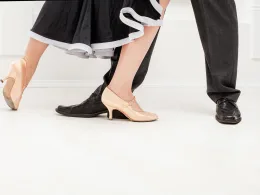
A sprung floor with wooden parquet cushions jumps and turns, protecting your bones and joints with every step.

Infrastructure and surroundings of dance studios

Every city district has its own daily dynamic. While central areas around Isarvorstadt or Haidhausen are characterized by gastronomy and nightlife, quieter residential areas often offer a more relaxed parking situation. Both have advantages and disadvantages for dance students. Those who want to have a drink with other course participants after class appreciate a lively neighborhood with open cafés.

Conversely, busy streets often mean a difficult search for a parking space. If you drive to the course, you lose valuable minutes in densely built-up inner-city areas. Dance schools in slightly more spacious districts, on the other hand, more frequently have their own parking spaces or are located in commercial courtyards that offer free parking spaces in the evening. Think carefully in advance about which means of transport you will choose for your way to the course. You can also find further inspiration on choosing a course and on regional dance culture in our article about folk dance in Munich.

Criteria for choosing your dance school

How to do it

  • Check for connections to the subway or suburban train lines
  • Clarify in advance if there are flexible make-up dates
  • Pay attention to the sprung floor during the trial class
  • Find out if there are parking spaces or bicycle racks available

What not to do

  • Book courses based only on the name without checking the location
  • Underestimate travel times during Munich rush hour
  • Switch to tiled or non-sprung floors
  • Ignore long walks in bad weather

The best dance school is of little use if the commute after work becomes a test of patience. Short distances keep your dance routine alive.

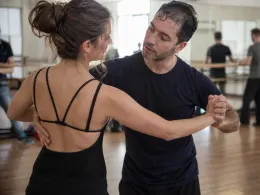
Dance instructor for partner dance

Criteria for choosing your personal studio

Before you sign up for a dance course, it is worth taking a structured look at the local conditions. Not every dance studio fits every lifestyle. A decisive factor is the possibility to switch between parallel courses: if a provider offers several dates per week at the same level, you can easily make up for missed sessions. This reliably cushions private and professional scheduling conflicts.

In addition, dance schools differ in their spatial facilities. A joint-friendly sprung wooden floor, functional ventilation, and sufficient space per dance couple clear your head for the steps. Always use a non-binding trial lesson to personally test the routes, the changing rooms, and the atmosphere in class. If you want to specifically engage with traditional step sequences, read the guide on the Schäfflertanz in Munich to get in the mood or find out about Carnival in Munich.

Location decision: Short distances or central hub?

Place of residence

Dance course right in your neighborhood

Minimal time investment in your daily life

If you walk or cycle to your course, you save yourself the search for a parking space and integrate your dance evenings into your daily routine with ease. Downtime due to traffic jams or train delays is completely eliminated.

Commuter route

Dance studio on your commute

Direct access on your way home

Dance schools at major transport hubs can be visited directly after work. This saves you the detour via your home and gives you access to parallel course times on weekdays.

Frequently Asked Questions

  1. The travel time should ideally be under 30 minutes. Experience shows that with longer journeys, motivation to reliably attend your weekly dance appointment decreases after a tiring day at work.

Compare dance courses in Munich

Find the right dance course near you and learn new steps on the dance floor.

Your neighborhood dances together

Enter your favorite dances, filter courses by neighborhood, and find suitable dance partners right in your area.

Your neighborhood dances together