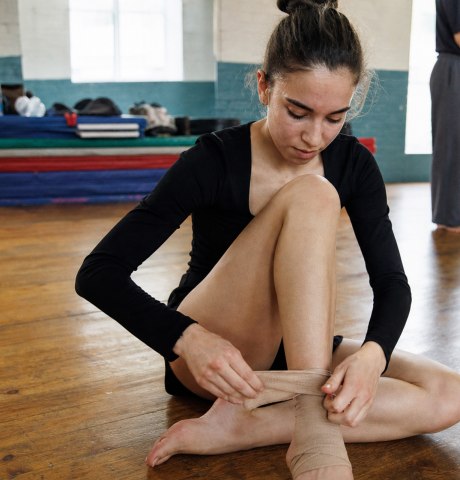
Safety comes before aesthetics in Acro Dance
Anyone who incorporates acrobatic elements into their dance routines takes the dynamics to a new level. But whether in a professionally equipped studio or on your home training floor: you cannot trick physics. An uncontrolled fall from a handstand for adults or during a complex spin on your head can have serious consequences. To minimize the risk of injury, safety must be the top priority. A structured approach, avoiding risky solo attempts at new figures, and consistently using aids form the foundation for every injury-free training session.
Especially when practicing within your own four walls, many dancers underestimate the dangers posed by furniture edges, slippery floors, or unsuitable ceiling heights. While studios usually provide cushioning sprung floors and professional landing mats, the living room at home requires rigorous preparation. Anyone training without an instructor should strictly limit themselves to already established basics and try out new, complex movement sequences exclusively under expert supervision in the studio. This is the only way to ensure that no technical errors creep in, which could later lead to falls.