Why acrobatics places special demands on the joints
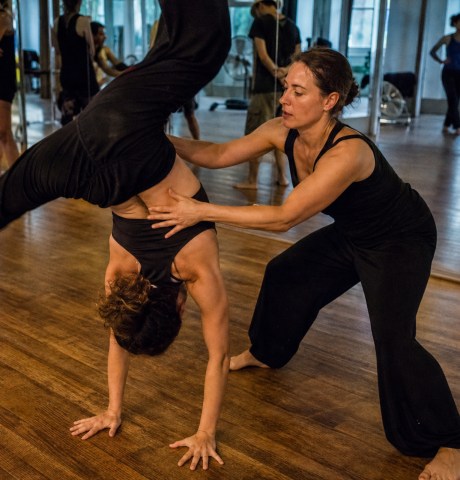
Acro dance combines the fluid elegance of contemporary dance with the powerful dynamics of acrobatics. In this fusion, enormous forces act on the body. While the muscles can absorb heavy loads, it is primarily the joints that reach their limits during rapid changes of direction and hard landings. Anyone training without the correct technique risks painful overuse. To protect your joints and enjoy acrobatics in dance pain-free in the long term, you need to understand how impact forces act on the body and how you can skillfully redirect them.
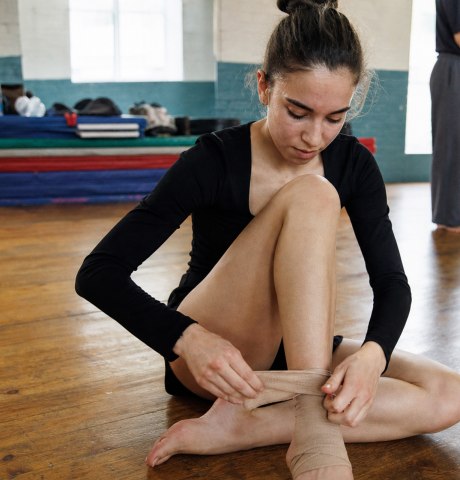
The wrists and ankles in particular bear the main load during floor elements. Unlike the knees, which have large muscle groups and thick menisci as natural shock absorbers, these smaller joints are anatomically less prepared for hard, vertical impacts. A typical mistake for beginners is catching their body weight without cushioning, using locked joints. Anyone who learns to let the energy of a movement flow through the entire body protects their bone structures from hard impacts. You lay a solid foundation by checking in advance whether your body is ready. Use the Acro Dance Level Test to realistically assess your current performance level.