Find your dancing home
Whether you are looking for the structured elegance of the barre or want to try your hand at free dance: on udansa you will find like-minded people and the right offers for your dance journey.

By Bernhard De LucaUpdated
Whether you are looking for the structured elegance of the barre or want to try your hand at free dance: on udansa you will find like-minded people and the right offers for your dance journey.
If you start ballet as an adult, you are often looking for a balance between aesthetics and fitness. Our self-test helps you find out if your expectations are a perfect match for classical training.
Classical ballet fascinates with its timeless aesthetic, its apparent weightlessness, and the complete control over every fiber of the body. However, those who start training as adults often face a mental barrier: does this demanding art form really suit me, my physical conditions, and my everyday life? The good news is that ballet schools worldwide offer special courses for adult late starters that do not have the performance pressure of professional training. It is not about a perfect prima ballerina career, but about personal progress and the joy of movement.
To find out if your expectations match the reality in the ballet studio, an honest look at your expectations helps. Classical dance requires precision and patience, but in return, it gives you an extraordinary posture and deep concentration. If you are wondering how to optimally prepare your body for your first class, take a look at the ballet warm-up guide. A conscious mindset for hobby ballet dancers protects against frustration and paves the way for a long, healthy hobby.
You seek absolute clarity, appreciate fixed rules, and love refining the perfection of individual details. Classical ballet is made for you, as it offers a clear structure and measurable progress. It is best to sign up directly for a trial lesson in ballet for adults.
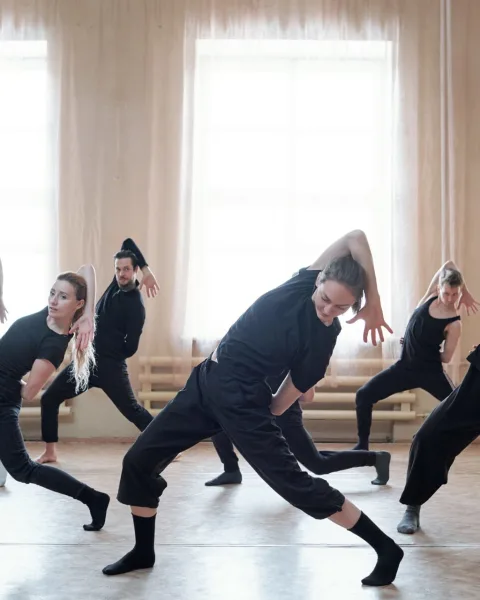
You primarily want to move, express emotions, and not be forced into rigid structures. Classical ballet might feel too strict for you in the long run. Instead, take a look at modern dance styles like Modern Dance or Contemporary, which offer you more creative freedom.
| Criterion | Classical Ballet | Contemporary / Modern Dance |
|---|---|---|
| Form of movement | Strictly geometric and upright | Free, fluid and floor-oriented |
| Rules | Fixed positions and terminology | Individual interpretation allowed |
| Body focus | Precise footwork and body tension | Weight shifting and breathing |
| Frustration tolerance | Very high due to constant repetition | Medium, as free dance is possible more quickly |
The choice of style depends on your personal goals and your physical constitution.
Find the right beginner course for adults now and start your dance journey with udansa.
 festivalOnly 5 spots leftModern Dance
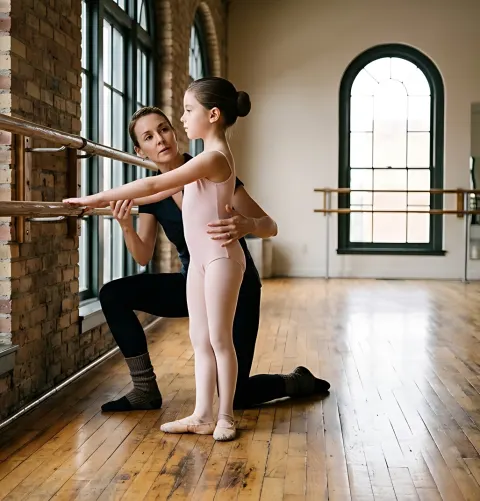
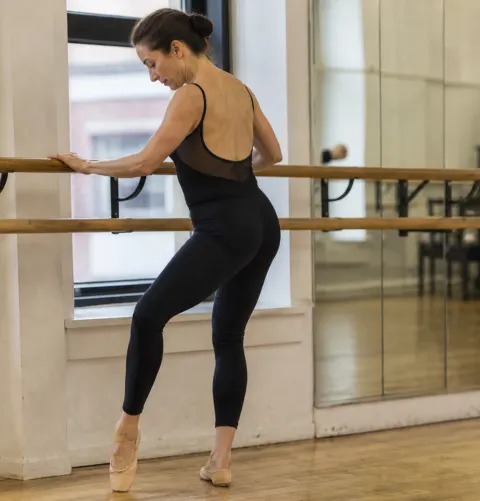
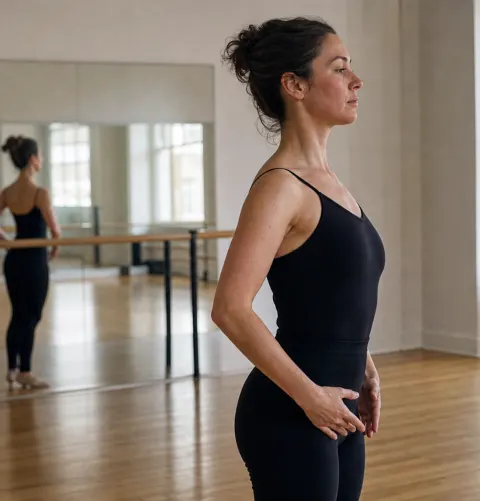
After you have evaluated your results, the question arises as to how you can best unfold your dancing potential. If you have determined that the strict structure of ballet suits you perfectly, a classic beginner course for adults is the ideal step. Here you will learn from scratch how to straighten your spine and place your feet precisely. For the first hours at the barre, the correct alignment is crucial, which you can read about in detail in the guide to ballet posture for beginners.
If the test pointed more towards a desire for freer expression or more modern rhythms, there are wonderful alternatives. The contemporary dance world offers fluid movements that actively incorporate the floor and follow fewer rigid rules. Anyone interested in this organic form of movement will find valuable tips in the Contemporary Floorwork guide. It is important that you choose a style that brings you long-term joy and motivates you to stick with it.
The test shows you whether your expectations regarding structure, discipline, and movement aesthetics align with the real requirements of classical ballet training. It helps you avoid frustration and find the optimal course for you.
Yes, ballet can be learned by almost any fit adult, provided there are no serious joint or spinal conditions. Professional schools adapt the pace and intensity to the needs of late starters.
For your first trial class, comfortable sportswear and clean, non-slip socks are sufficient. Once you decide on a regular course, soft ballet slippers and a well-fitting training outfit are the right choice.
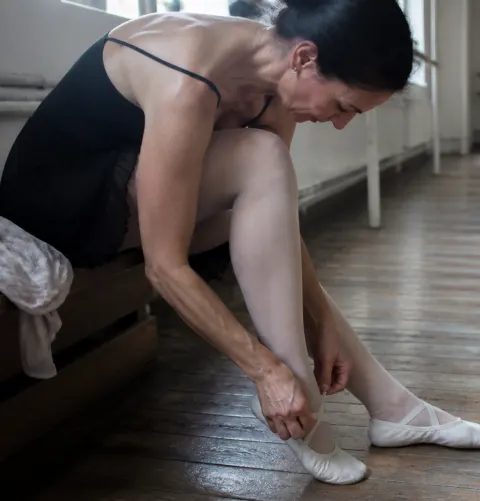 Ballet history, repertoire and realistic goals
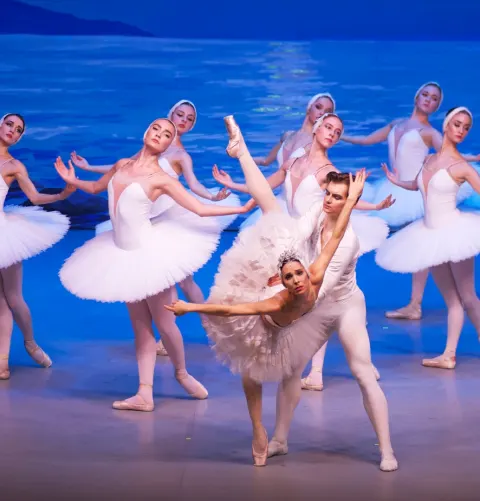 The power of sound: How ballet music tells stories
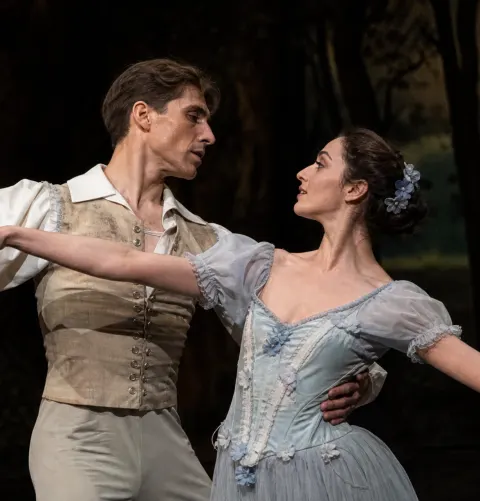 How to interpret ballet plots and pantomime
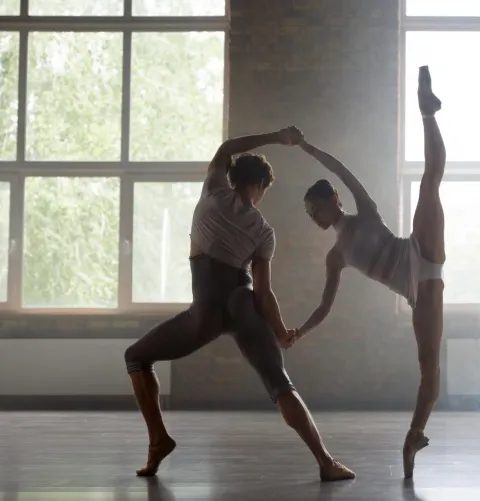 Ballet today: Experience modern stage trends
 Giselle: The masterpiece of romantic ballet in focus
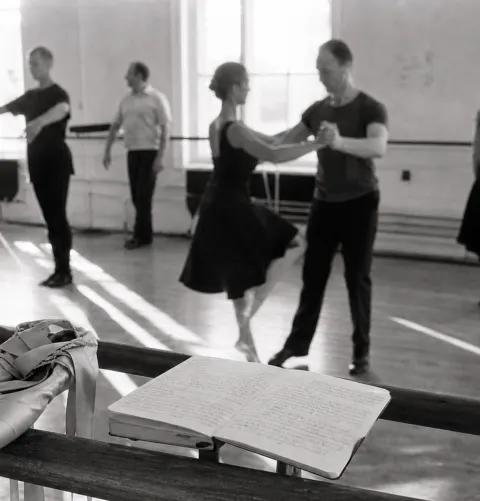 Vaganova vs. Balanchine: Comparing Ballet Schools
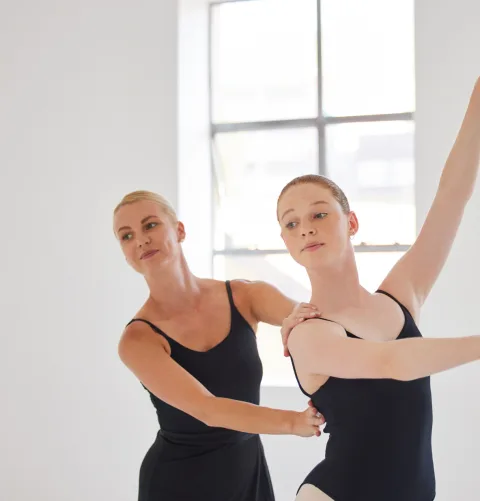 Patience in Ballet: Staying Mentally Strong at the Barre