Ballet trends4 minutes

Ballet today: Experience trends of the modern stage

In short
  • Neoclassical and contemporary trends shape ballet today through a stronger emphasis on athleticism and individual expression.
  • Modern music styles from electronic to minimal music are increasingly replacing classical orchestral scores in training and on stage.
  • The dance world is opening up to more diversity in body images and is purposefully breaking down traditional gender roles in partner dance.
  • Classical ballet techniques are now taught in a health-promoting and anatomically adapted way, even for adult late beginners.

Classic elegance meets the pulse of the present. Discover how ballet in the 21st century is breaking its boundaries, opening itself up to new sounds, diverse bodies, and unconventional movements.

Why dance trends have their own dynamic

While fashion trends on social media change every week, the clock ticks differently in the dance world. New movements in ballet do not emerge overnight through a viral clip, but develop organically over months and years. They begin in the choreography hubs of major cities, flow into the curricula of progressive academies, and finally reach local dance schools and open classes. This slow cycle is rooted in the nature of dance: complex movement patterns and the fusion of different styles require intensive training, physical experience in space, and direct exchange between teachers and dancers. Anyone entering a modern studio today experiences the result of years of evolution that goes far beyond merely copying steps.

This persistent development ensures that contemporary ballet possesses enormous depth. Today, trends emerge primarily where classical aesthetics meet urban dynamics or anatomical insights. The journey leads away from rigid patterns toward a fluid movement language that also offers fascinating possibilities for late starters. If you are interested in this path, it is worth taking a look at realistic goals in ballet for adults to shape your own development in the studio in a healthy and motivated way.

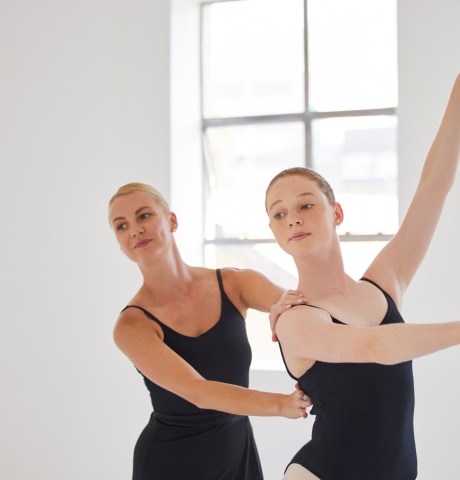
Young couple of modern ballet dancers dancing
Modern ballet studios rely on soft daylight and an open atmosphere, where contemporary movements can unfold freely.

The most important trends in ballet today

  • Neoclassical aesthetics

    This movement combines the virtuosic footwork of classical ballet with the grounding and flexibility of contemporary dance. It dispenses with rigid narratives and presents the pure dynamics of the body in space, often to minimalist music.

    • Neoclassicism
    • dynamics
    • minimalism
  • Modern soundscapes

    Choreographers are increasingly using electronic soundscapes, ambient music, or urban beats instead of Tchaikovsky. This radically changes the dynamics of the movements and brings a completely new, modern energy to the dance studio and the stage.

    • Electro
    • beats
    • soundscapes
  • Inclusion and new roles

    The modern stage is saying goodbye to outdated gender roles and standardized body types. Ensembles are becoming more diverse, choreographies are breaking away from classic lifts, and showing that ballet is a form of expression for every body and every gender.

    • Diversity
    • openness
    • zeitgeist

Where modern impulses come from

The impulses for today's ballet come from a globalized culture. Modern choreographers unashamedly draw from street dance, martial arts, or everyday gestures and weave these elements into the classical vocabulary. These trends are moving away from the pure weightlessness of the 19th century and toward a conscious perception of gravity, floorwork, and individual expression. The music world plays a key role in this: instead of classical orchestral works, electronic beats, minimalist piano pieces, or even sound collages often accompany training at the barre and choreography on stage today.

For you as a dancer, this means a new freedom. You no longer have to force yourself into a historical corset, but can experience the dynamics of the 21st century with your own body. To deeply understand this modern bodywork and the interplay between muscles and space, our guide to body awareness in dance will help you. Here you will learn how to execute the new, free forms of movement precisely and without injury.

Ballet in the 21st century is not a museum piece, it is a living language that is constantly renewing itself through the influences of our modern world.

Ballet teacher, Berlin

Your introduction to contemporary ballet

Correct

  • Respect your own anatomy and adapt movements in a healthy way
  • Be open to new musical styles and unfamiliar rhythms
  • Focus on your individual dance expression

Wrong

  • Forcing yourself into historical, unhealthy movement patterns
  • Only training to traditional piano and orchestral music
  • Comparing yourself to professional teenage dancers

Frequently Asked Questions

  1. Neoclassical ballet is a development of classical dance that began in the 20th century. It uses traditional pointe technique, but dispenses with opulent stage sets and dramatic plots in favor of pure, fast movement.

Ballet courses near you

Find the right studio for modern ballet and contemporary dance.

View all matching courses

Discover modern ballet trends

On udansa connect, you will meet like-minded people who share your passion for contemporary movement. Find your perfect course or dance partner in your area now.

Discover modern ballet trends

Read more