How the longing for weightlessness elevated dance
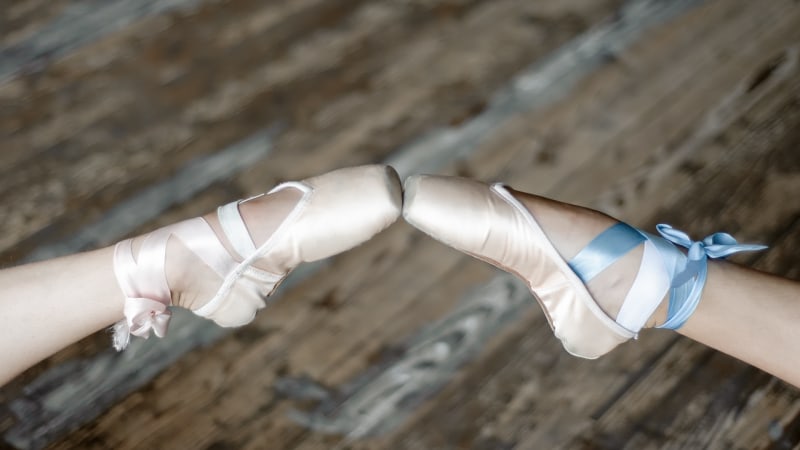
The longing to overcome gravity shaped the 19th century like no other era. In the wake of Romanticism, people yearned to escape the harsh reality shaped by industrialization and move toward ethereal worlds full of spirits, sylphs, and unreachable beings. The evolutionary history of pointe work is inextricably linked to this cultural shift. To portray these spirits and mythical creatures convincingly, simply walking on flat feet was no longer enough. Dancers had to visually leave the ground.
The history of weightlessness in ballet consequently began not as a sporting ambition, but as a purely theatrical effect. Early attempts in the late 18th century still used mechanical rope constructions, so-called flying machines, to pull dancers onto their tiptoes for a few seconds. But the real revolution in the dance studio took place without ropes: dancers began to rise onto their tiptoes under their own power to prolong the moment of floating. This physical innovation changed the aesthetics of dance forever and laid the foundation for the classical repertoire that we still admire on stages today.