

Experience the new world of Kizomba together
On udansa connect, you will meet like-minded people who want to try out the latest Kizomba methods in class with you. Find your dance partners now and experience the modern Kizomba scene together.
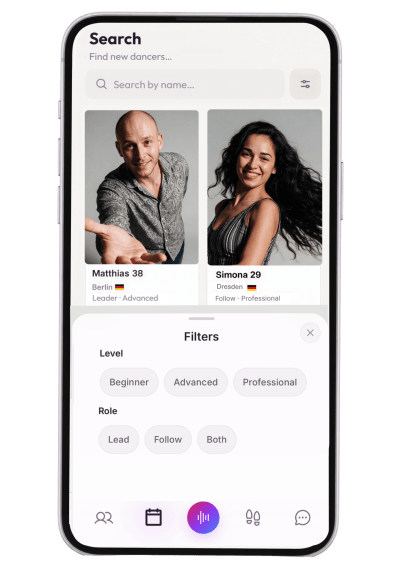

The way we learn the basics of this fascinating dance is changing fundamentally. Modern didactics focus on true feeling and moving together from the very first second.
Unlike fleeting social media phenomena that pop up and disappear worldwide within a few days via viral feeds, trends in partner dance move at a completely different, more sustainable pace. New didactic approaches usually emerge in the creative centers of the scene and spread organically via specialized festivals, international workshops, and the continuous work in local dance schools. A new trend must prove itself on the real dance floors of socials before it finds its way into the regular curriculum. For you as a beginner, this means: what you learn in modern classes today is based on proven practice and genuine dance exchange, not on short-lived video effects. This slow, quality-oriented dissemination ensures that the basics have a long half-life and make you compatible with dancers anywhere in the world.
In contemporary Kizomba instruction, the traditional, extremely close hold is often replaced in beginner levels by a more open, flexible embrace. This removes the fear of contact for newcomers and makes it possible to focus fully on correct footwork and balance, before seeking maximum closeness.
Modern didactics break with the rigid separation of gender roles. More and more schools are teaching in a gender-neutral way or encouraging all participants to try out both roles, leading and following, in the first few lessons. This enormously sharpens the understanding of the partner's signals.
Instead of repeating the same basic step for hours, modern instructors focus on playful exercises for weight shifting in space. You learn directly how to adapt organically to the space on the dance floor. If you want to engage more intensively with the basics, take a look at the Kizomba steps for beginners.
The current impulses in modern Kizomba teaching stem significantly from the close integration of traditional African roots and contemporary European influences, which are taking shape in urban centers like Paris, Lisbon, or Berlin. From there, the refined teaching methods travel directly to regional studios. The trend today is clearly moving away from rigid, memorized step sequences and toward a deep understanding of the physical connection within the couple. Modern dance teachers convey from the very first lesson how important your own body axis and a subtle weight shift are. If you want to learn Kizomba today and use trends for 2026, you will experience lessons that make you fit for free, improvised dancing on any dance floor, instead of pressing you into fixed templates. To deepen this introduction, a look at the comprehensive Kizomba dance learning guide for partner dance will help you.
A good Kizomba instructor nowadays doesn't teach you where to place your feet, but rather how to shift your center of gravity so that your partner's feet follow all on their own.
In 2026, the focus is on the functional understanding of movement. Instead of complicated figures, you learn how to move completely freely to the music through subtle weight shifts and a stable connection within the pair.
Find the right studio and learn the modern basics from professional instructors.
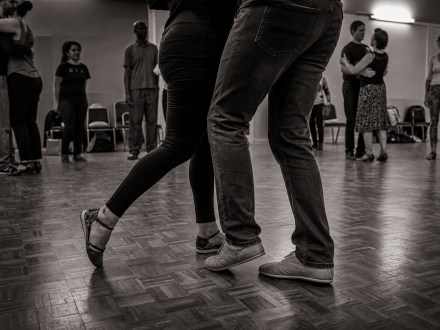 Learn Kizomba steps: An easy start for beginnersGetting started is easy: With our practical guide, you will learn the most important Kizomba basic steps and the correct posture for a harmonious dance experience.
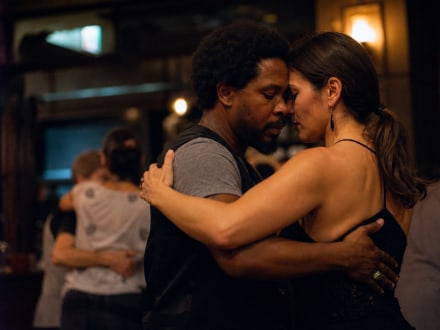 Learn to dance Kizomba: The guide to the partner danceKizomba combines African rhythms with a deep, emotional connection in partner dance. Learn how to master this fascinating dance style from scratch.
 Learn Kizomba steps: An easy start for beginnersGetting started is easy: With our practical guide, you will learn the most important Kizomba basic steps and the correct posture for a harmonious dance experience.
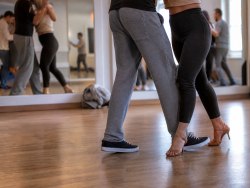 Kizomba to fast and slow music: adjusting your stepsFind out how to flexibly adapt your Kizomba steps to any music tempo without losing the basic step. Perfect for beginners!
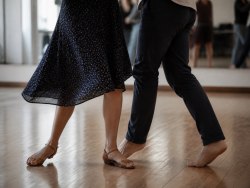 Learning the Kizomba basic step: A precise guideEvery beginning is easy: With our precise guide to the Kizomba basic step, you are guaranteed to get started with this fascinating partner dance, even without prior experience.
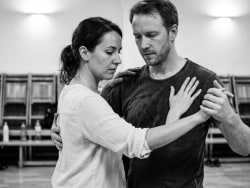 Kizomba posture: How to master the perfect connection and dance frameThe right Kizomba posture is the foundation for a harmonious connection on the dance floor. Learn how to dance with stability and fluidity through correct upper body contact.
 Kizomba Side Step: Guide to Weight TransferMaster the Kizomba side step with our simple guide. Learn how to shift your weight smoothly and bring more stability to your dance.
 Kizomba for beginners: The 5 most common mistakes in the basicsWhen learning Kizomba, you often stumble over the same hurdles at the beginning. This overview shows you the five typical beginner mistakes and how to correct them immediately.
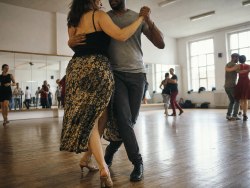 Kizomba Level Test: Do you already master the basics?Do you really master the Kizomba basics already, or should you keep working on your foundation? Take our quick level test now and find out.