Bodywork4 minutes

Somatic methods in contemporary dance: trends

By Mary De LucaUpdated

In short
  • Somatic methods in contemporary dance train inner body awareness and optimize movement patterns through the nervous system.
  • Approaches like Feldenkrais and Klein Technique help dancers align bone structures efficiently and release unnecessary muscle tension.
  • Somatic training protects the joints long-term and ensures a fluid, pain-free transition into floorwork.
  • Modern contemporary dance classes integrate these methods firmly into their warm-up program and movement preparation.

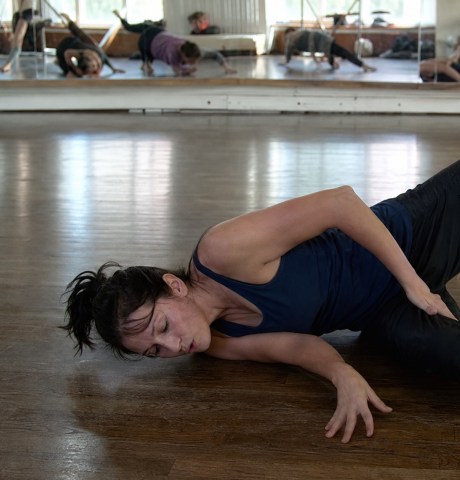
Modern floorwork in contemporary dance requires more than just muscle strength. Somatic methods revolutionize training by sharpening perception from within and making movements effortless.

How trends spread in contemporary dance

Dance trends develop in a fundamentally different way than the fleeting phenomena on social media. While a viral dance clip on TikTok reaches millions within a few days and is forgotten just as quickly, developments in contemporary dance move at a much more sustainable rhythm. New approaches spread organically through weekly courses, intensive weekend workshops, and direct, physical encounters at festivals. A new impulse often takes months or years to gain widespread acceptance, as it must be physically understood, processed, and integrated into the dancer's own movement repertoire. This deceleration ensures that trends in dance training are not short-lived fads, but rather profound, anatomically sound advancements in movement practice.

The most important somatic approaches in dance training

  • Klein Technique Contemporary

    This method focuses on the deep connection of the bones and the pelvis to the floor. By consciously aligning the skeleton, you learn to release muscle tension and use gravity as a driving force. This makes your movements in floorwork extremely stable while protecting your joints.

    • Skeleton
    • alignment
    • gravity
  • Feldenkrais for dancers

    Through gentle, mindful movement sequences, this approach trains the interaction between the brain and muscles. You will discover unconscious movement patterns and blockages that hold you back while dancing. The result is significantly improved coordination and a finer sense of your own body.

    • Nervous system
    • perception
    • efficiency
  • Ideokinesis and Body-Mind Centering

    This trend combines anatomical knowledge with creative movement improvisation. Instead of dancing predefined forms, dancers explore the biomechanics of their joints and muscle chains. This strengthens self-perception and helps to find injury-free and individual ways into the floor.

    • Anatomy
    • improvisation
    • biomechanics

Where new movement trends come from

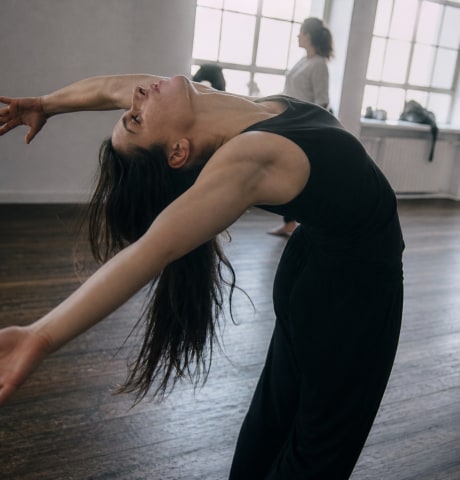
The current trends in somatics have their origins in the interdisciplinary research of anatomy, neurology, and movement therapy. They are moving away from purely aesthetic form requirements towards a deep, tangible inner view of the body. Choreographers and dance educators worldwide are increasingly integrating these concepts into daily training to ensure the longevity and resilience of dancers. Anyone learning contemporary dance today is usually no longer looking for rigid perfection, but for an organic flow of movement. This trend is moving away from merely imitating external forms and towards an individual, healthy movement efficiency that arises through mindfulness and the subtle sensing of bone structures and gravity. A wonderful introduction to this conscious letting go is, for example, the release technique in contemporary.

Only when we feel how our bones carry the weight, can we release our muscles for pure, artistic expression in space.

Dance educator for contemporary dance, Berlin

Efficient movement learning on the floor

Correct

  • Initiate movement through the bone structure
  • Consciously release unnecessary muscle tension in the upper body
  • Use small, subtle micro-movements for awareness
  • Understand gravity as a partner for flow on the floor

Wrong

  • Forcing movements with pure muscle power
  • Holding your breath during strenuous passages
  • Executing fast, uncontrolled movements without feeling them
  • Fighting against the resistance of the floor

Frequently Asked Questions

  1. Feldenkrais for dancers is a method of somatic movement education that works through the nervous system. Through small, consciously executed movement sequences, you learn to detect unnecessary muscle tension and make your movements in contemporary dance more efficient and effortless.

Contemporary courses near you

Find the right studio for contemporary dance and somatic training.

View all matching courses

Find your dance community

On udansa, you will find like-minded people who are also interested in contemporary dance and conscious bodywork, as well as suitable studios in your area.

Find your dance community