Your evening needs a dance floor
On udansa, you can find dance events in Rome. Choose an evening where you can dance as a guest instead of just watching a performance.

By Bernhard De LucaUpdated
On udansa, you can find dance events in Rome. Choose an evening where you can dance as a guest instead of just watching a performance.
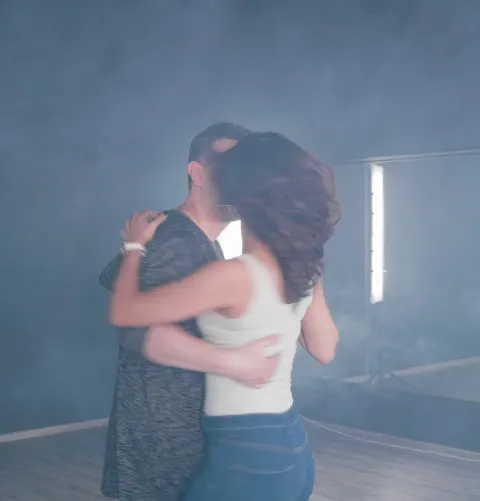
A photo full of movement can promise an evening where you end up sitting still yourself. So for an evening out after work in Rome, what matters less is the prettiest stage set than the part the program actually gives you.
At dance events in Rome, the word dance can mean two very different things: people perform a choreographed routine, or guests move to the music themselves. Rome’s stage history makes this distinction clear. The Teatro Costanzi opened in 1880; the Ballets Russes performed there later on. That is dance to watch, not an indication of an evening where you can join in.
Unusual settings do not change that. In summer 2025, the Rome Opera Ballet performed Le Sacre du printemps in Pina Bausch’s choreography at the Baths of Caracalla. At the Caracalla Danza festival in June and July 2026, there were dance tours and stage performances. You cannot infer from such descriptions that there will be an open dance party.
Founded in 1986, the Romaeuropa Festival brought contemporary dance to Rome; its venues included the Mattatoio and Teatro Argentina. These examples can help you avoid mistaking an artistic performance for an invitation to dance. They are not current nightlife tips. Find a broader overview at Get to know Rome through dance. For choosing an event, what matters is the specific schedule: Who dances, when, and in which area? If you actually want to learn regularly with an instructor, that is part of choosing a dance class in Rome, not looking for a one-off evening.
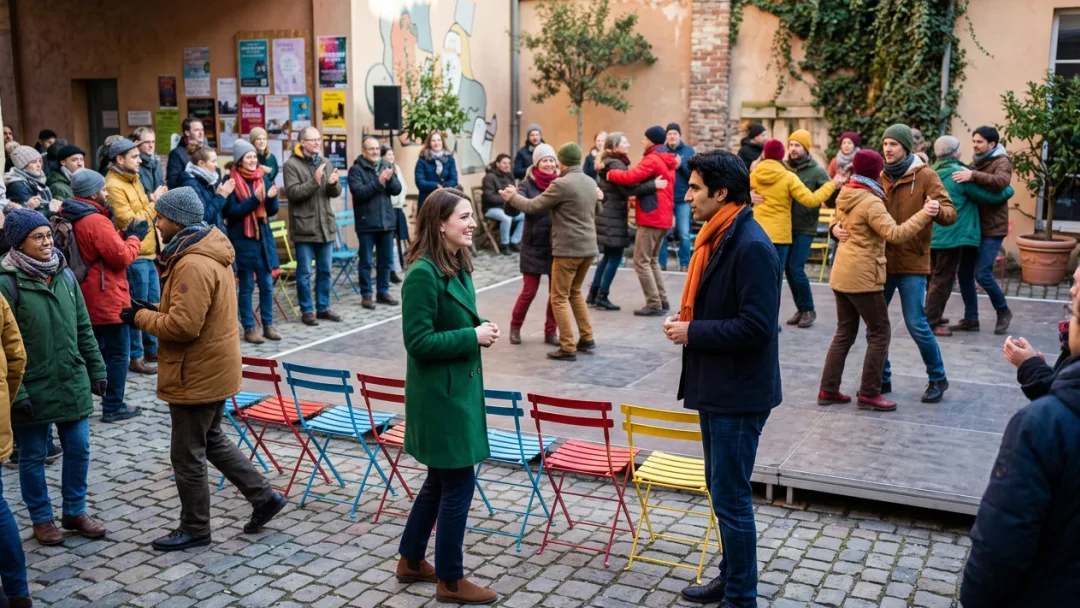
Open the event search on udansa and set Rome as the location. Start with events, not ongoing courses. That way, you’re searching for a single event and won’t mix up your planned evening with a course series.
Choose the day or time period when you want to go out. Use the event date, not the date of a photo or post. A recap of a great evening isn't an announcement of its next edition.
Add a dance style if you already know what kind of music you want to dance to. Otherwise, stick with dance night or dance party. A style name alone won’t narrow down the results: a stage production can also have the same dance style in its title.
Open the full description of a suitable result. Look for an explicit invitation to dance yourself, such as an open dance floor for guests. An ensemble, choreography, and audience seating, on the other hand, suggest a performance. If the wording is unclear, ask the organizer.
For a show plus party, list the parts in order: first the performance, then dancing for guests. An introduction before the performance can also be a talk. Your desired dance segment must be recognizable as a separate programme item, not just an assumed encore.
Read the admission details in the context of the program. A show ticket may cover only the performance; separately mentioned party access is something else. Choose only the option that explicitly includes the dance portion you want, and don't transfer conditions between different listings.
Save the relevant listing or note down its title, date, and the sentence about participation. To book, follow the method described in the listing. This makes it clear which evening you chose and why you expect to dance there yourself.
Do this
Not like this
Starting Point
Assignment
Completion
No, live music alone doesn't tell you whether guests are allowed to dance. It may accompany a performance or be intended as a concert for a seated audience. To make your choice, you also need a clearly indicated dance session for visitors. A large open space in a photo doesn't replace this information either.
A seat initially refers to your place as a spectator, not your participation in the dancing. At a stage performance, you watch the action from there. Seating may also be part of a party, but the mere mention of seats implies neither a ban on dancing nor an invitation to join in.
Only if free dancing afterward is explicitly included in the program can you count on it. A workshop is initially a guided learning session with set tasks or movements. Its end doesn't automatically mean there's a party. An announced dance floor afterward is therefore a separate part of the evening, not just another name for a lesson.
No, this guide doesn't guarantee that events or spots are available in Rome. It shows you how to find options without announcing specific evenings. Which listings you find for your chosen dates and what booking options they offer depends on your search. A past event or a well-known venue doesn't prove there's an offering today.
First, broaden your date range or remove the dance style as a filter, without changing Rome as your search location. This broadens your search while keeping your local evening in view. If no listing that explicitly includes dancing remains, a stage performance isn't an equivalent substitute for your original wish to have a dance floor.
 Dancing in Rome: Dance freely or join in?
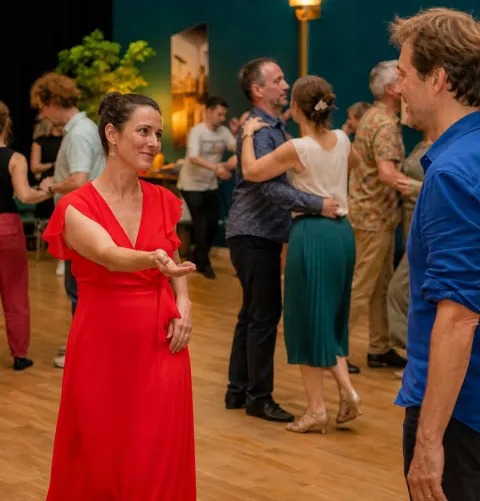 Dancing Alone in Rome: Plan Your Night Out
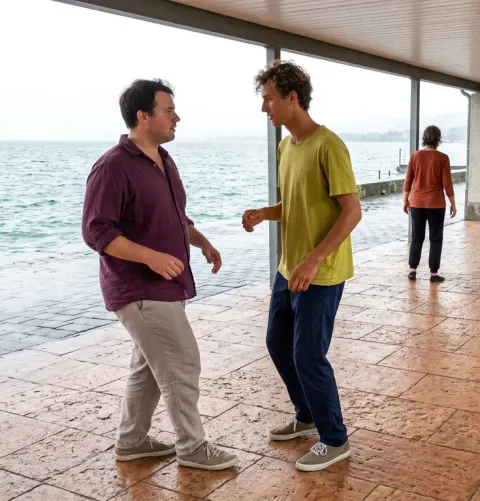 Dancing on Holiday in Rome: Plan Your Night
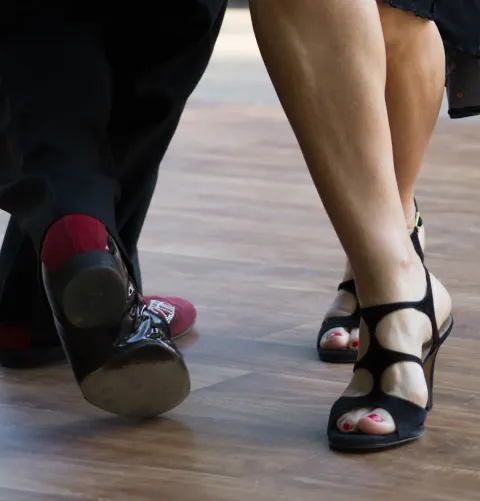 How to Dance in Rome Without Speaking Italian
 Experience Rome by Dancing Along: What Animazione Means
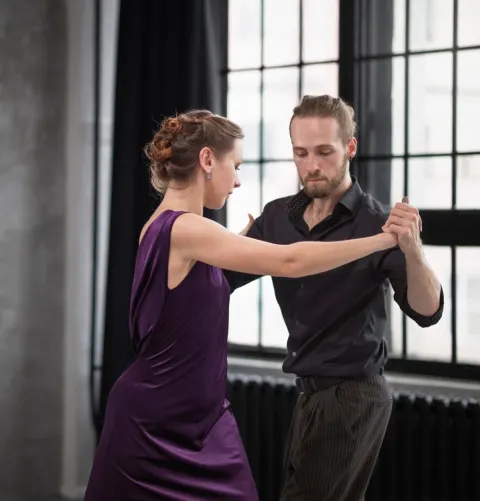 A dance practice in Rome isn't a dance party
 Go Dancing as a Couple in Rome: Stay Together