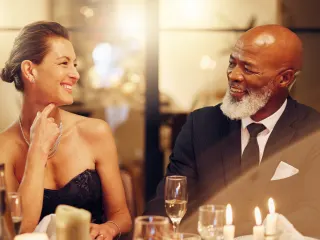
Dance together, strictly platonic
On udansa connect, you can find dance connections in Paris and let them know you're looking for purely dance-focused or friendly encounters.

By Bernhard De LucaUpdated
On udansa connect, you can find dance connections in Paris and let them know you're looking for purely dance-focused or friendly encounters.
You can enjoy meeting someone on the dance floor and still not want romantic contact. Saying this distinction out loud also protects the ease with which you dance together.
A platonic dance partnership is a connection for dancing together without romantic or sexual intentions. It can be limited to the dance floor or include a friendship.
If you’d like to meet up with a dance partner in Paris, your goal can look very different: taking classes together, dancing occasionally, or making new friends through dancing. These wishes don’t tell anyone whether you’re romantically interested. “I’d like to meet new people” leaves that question open; “I’m looking for a platonic dance connection” makes it clearer.
You don’t need to justify this by explaining your relationship status. “I’d like to dance with you, but I’m not interested in dating” fully describes your intention. If you’re also looking for friendship, you could say: “I’d also enjoy staying in touch as friends outside of dancing.” If you only want to arrange dance dates, you can say exactly that. You don’t owe anyone private meetups as compensation for a romantic no.
The words “single” and “dance couple” can also create different expectations. Going to a dance event on your own isn’t an invitation to flirt; showing up as a dance couple initially describes a shared activity. The guide to the clearly worded dance partner search profile shows you how to keep this distinction brief in your public introduction. What matters is that the other person doesn’t have to guess where your boundaries are.
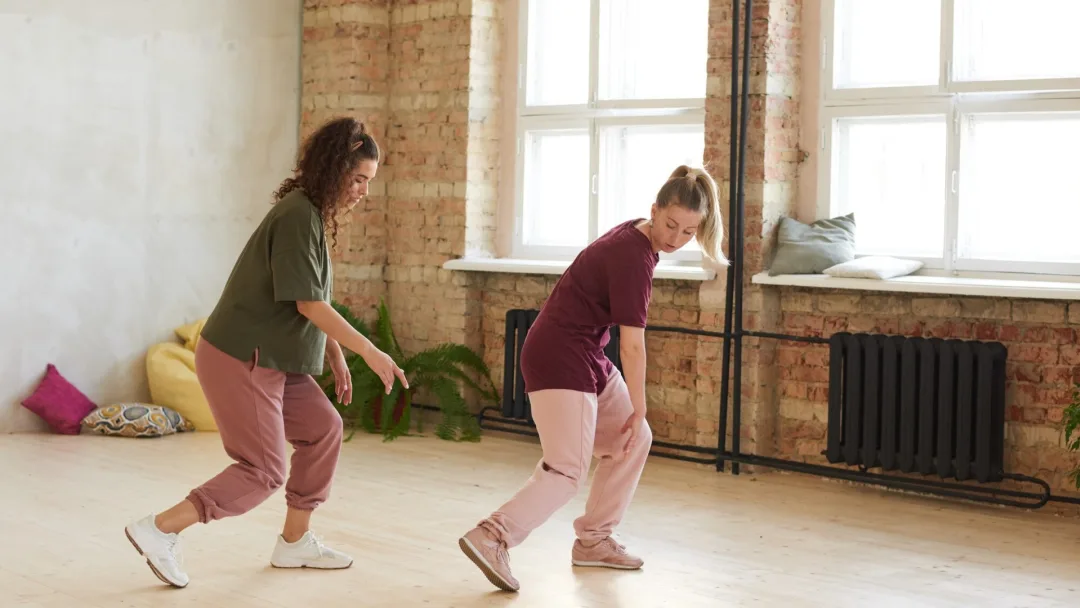
In partner dancing, touch serves a dance-related purpose first: a hand connection communicates movement, a shared frame helps with orientation, and eye contact can make coordination easier. A smooth dance can sometimes feel personal because you respond attentively to each other. But that does not mean there is romantic interest. Even dancing another dance after the same evening of music is still just an invitation to dance.
Paris has a history of social partner dances with the bal musette; its repertoire included Valse musette and Java, among others. The page about Valse and Java at the bal musette explains the dance background. This tradition does not tell you what personal intentions someone has when you dance together today. Neither a dance style nor its closeness replaces clear communication.
There are also two separate boundaries: you can have no interest in dating and still enjoy a closer dance hold. You can also dance platonically and need more space. “I’d like a more open hold for this dance” is specific feedback about the movement, not a judgment about the person. Agreeing to dance together does not automatically mean agreeing to every kind of touch. If a figure only works with a level of closeness you don’t want, you can leave that figure out.
Yes, like this
Don't do this
In the course filter, you'll find current classes and dates in Paris, whether you're just getting started with dancing or continuing to learn.
You can enjoy a dance without agreeing to a romantic invitation, and you can express that boundary at any time.
A romantic invitation is not automatically disrespectful. Maybe the other person interpreted your conversations differently or wants to be open about their intentions. You can respond kindly and clearly: „Thanks for telling me. I’d like to keep our meetups purely about dancing.“ Appreciating their openness does not mean you are accepting the invitation. Avoid saying “not right now” if you don’t want a romantic connection at all.
What matters next is how they respond. If the other person accepts your boundary, you may still enjoy dancing together. But they may also want some distance because a purely platonic connection is not enough for them. You don’t have to persuade them to keep dancing or make up for their disappointment by becoming more physically close. Likewise, if they accept your no, that is not an invitation to bring it up again at your next meetup.
Repeated romantic comments or invitations despite your clear response change the situation. In that case, you can say: “I said I’m not interested in dating. Please respect that.” You don’t need to give an increasingly detailed explanation. If they continue to ignore your boundary, you can end the interaction. If you both stick to the agreed terms, though, shared practice goals can help you focus your meetups again on what you actually want to share with each other.
Keeping things private isn't a sign of rejection
You enjoy the right music, great moves, and reliable plans to dance together. Personal conversations can be brief. Even without meeting outside of dancing, your connection can be attentive and warm.
Personal closeness without a romantic promise
You enjoy having longer conversations or meeting up as friends outside of dance. These encounters deepen your connection, but they don’t automatically change what it means. Even a close friendship doesn’t mean you owe anyone a date or physical intimacy.
No, you don't have to share your relationship status to turn down a date. Your own intentions are reason enough. If you want to mention that you're in a relationship, you can; just avoid giving the impression that your no is only because of someone else.
No, having coffee after dancing isn't automatically a date. What matters is what the two of you make of the get-together. Saying, “I'd be happy to join you for coffee, as friends,” sets the tone without assuming what the other person has in mind.
You're allowed to change your mind, but you don't have to assume the interest is mutual. If you want to invite them on a date, say so clearly instead of using dance hold as a test. The other person can stick to the platonic terms you've had so far or decline to meet again.
If your message really was contradictory, a brief apology can help. You can say, “I wasn't clear; I'm only interested in staying friends.” You don't have to apologize for setting a boundary, and clarifying what you meant doesn't commit you to a date.
 Explore Paris Together with a Dance Partner
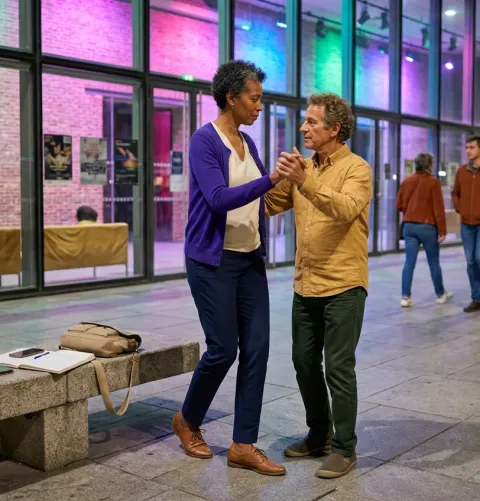 Find a Dance Partner in Paris: Write a Clear Profile
 How to Message a Dance Partner in Paris
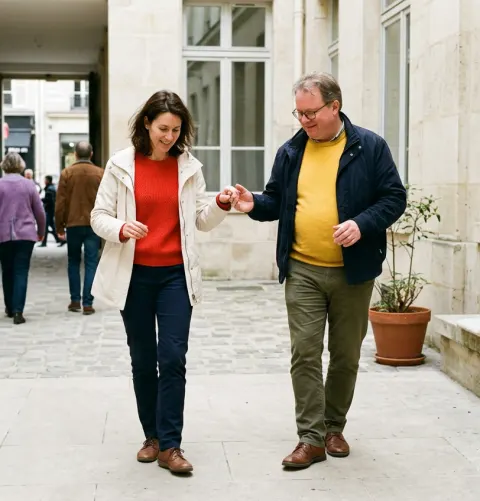 Your Dance Partner in Paris: Plan a Safe First Meeting
 Dance Partners in Paris: How to State Your Role
 Find a Practice Routine with Your Dance Partner in Paris
 Dance Partners in Paris: Connections for Visiting Students