Partner acrobatics5 minutes

Ready for lifts? Take the partner self-test

In a nutshell
  • For lifts, excellent core tension, mutual trust, and clean dance technique as a couple are absolutely essential.
  • The learn lifts test determines your current level based on questions about your stability, your communication, and your dance experience.
  • Strength alone is not enough, as leverage and precise timing during the jump are decisive for the success of the move.
  • Safety always comes first, which is why the basics on the ground must be flawless before the first attempt at a lift starts.

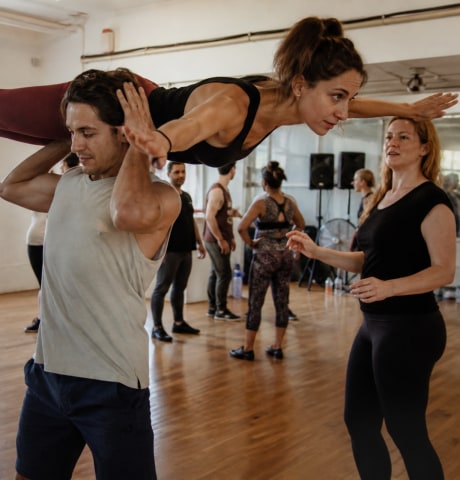
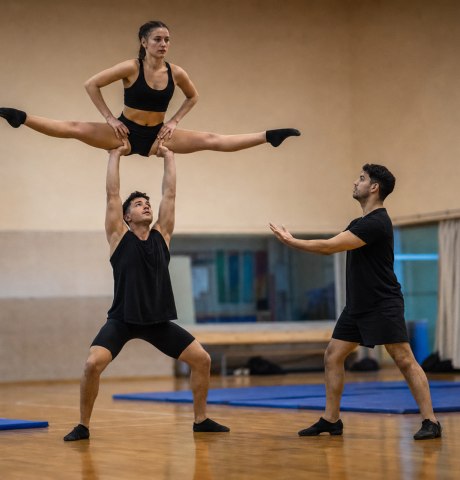
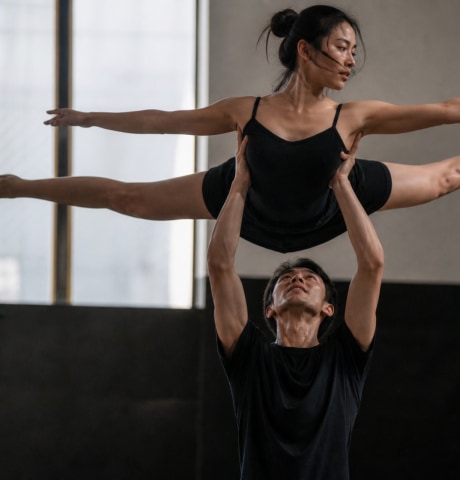
Lifts in dance are fascinating due to their elegance and dynamics. But when is the right moment to take off? Take our test and find out if your foundation is ready for acrobatics.

Why the foundation on the ground determines the flight

The moment when your feet leave the ground and a lift seemingly defies gravity is one of the highlights of any choreography. However, the path into the air requires much more than just courage and muscle power. Before you dare to take off, you should honestly check whether your foundations are stable enough. A hasty attempt without the necessary lift prerequisites quickly leads to frustration or painful injuries. It is not about being perfect immediately, but about having a solid base on which you can build together.

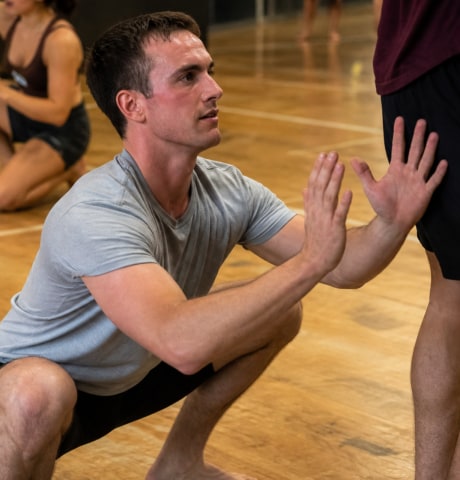
For safe training, a stable frame is essential. A good orientation for this is the classic ballroom dance posture, which teaches you how to maintain body tension as a couple and transmit impulses cleanly. Only when the connection works blindly while standing can it also support you in the air. Take the time to consolidate your dance communication on the ground before you conquer the vertical plane.

The lift readiness test for couples

  1. How stable does your shared connection feel during fast turns?

    • A: We maintain our axis perfectly and never lose contact
    • B: It wobbles sometimes, but we usually recover quickly
    • C: We easily lose our balance and often have to stop
  2. How is your individual core and body tension?

    • A: We can both easily hold a solid plank for one minute
    • B: The strength is there, but we often forget the tension in the flow of the dance
    • C: When dancing, we are rather loose and soft in our movements
  3. How do you react when something doesn't work right away with a move?

    • A: We calmly analyze the mistake and correct it together
    • B: We try it again immediately on our own with more force
    • C: We get frustrated quickly and prefer to leave the move alone
  4. How well can you rely on each other blindly?

    • A: Absolutely, we feel every weight shift of our partner immediately
    • B: Mostly good, but sometimes the other person's steps surprise us
    • C: We still have to concentrate very hard on ourselves while dancing

Your evaluation

Mostly A: The Ready-to-Go

You have an excellent foundation. Your body tension is right, you trust each other blindly, and the dance basics are solid. You are definitely ready for lifts! As a next step, you can venture into a detailed guide to, for example, learn the airplane lift and build your first real flight phase stably.

Mostly B: The balance seekers

Your foundation is good, but you still lack some fine-tuning. Sometimes you struggle with shared timing or consistent body tension during dynamic moments. Work on your communication first and solidify simple standing figures on the dance floor before you attempt overhead lifts.

Mostly C: The down-to-earth ones

You should take a little more time. Lifts require an extremely high level of stability and mutual trust, which still needs to grow between you as a pair. For now, focus on fluid transitions, clean steps, and building your general fitness to avoid injuries.

The three readiness levels in comparison

CriterionType A (Ready to start)Type B (Seeking balance)Type C (Down to earth)
Body tensionVery high and permanently activeGood in phases, sometimes breaks downRather soft, little core stability
Partner trustBlind understanding presentGood feeling, slight uncertaintiesStill strongly focused on oneself
Injury riskVery low due to clean techniqueModerate with uncontrolled movementsIncreased with premature lifting attempts
Recommended goalLearn first simple liftsOptimize standing figures and balanceBuild up dance technique and fitness

The self-assessment serves as a guideline to avoid overload and injuries during training.

How to correctly use your test result in training

Once you have determined your type, it is time for concrete implementation. If you notice that your foundation is still a bit shaky, you should work specifically on your body tension and balance. It is absolutely no shame to shift down a gear and consolidate the basics first. For example, you can learn simple floor elements in Acro Dance to develop a better feeling for your own body weight and balance.

When you feel ready, start with simple, floor-based poses. Use the exchange with other couples and let experienced instructors guide you. On udansa, you can easily search for like-minded people and suitable workshops to optimally prepare for your first real flight. Always remember: the safest lift is the one where both partners feel absolutely comfortable and in control at every second.

Frequently Asked Questions

  1. You should only begin with lifts once you have securely mastered the basics of your dance style and can build stable body tension as a couple. Blind trust and clear communication without words are also mandatory prerequisites.

Acrobatics courses near you

Find the right dance school to learn the basics for spectacular moves safely.

View all matching courses

Take off safely with the right partner

On udansa, you will find experienced dance partners and professional dance schools that will guide you step by step to your first spectacular lift. Start your shared dance adventure now, safely and well prepared!

Take off safely with the right partner