Gardetanz acrobatics3 minutes

Lifts in Gardetanz: Take off safely during carnival

In a nutshell
  • Lifts in carnival dance require maximum body tension from the flyer and explosive footwork from the lifter during the jump.
  • The traditional uniform and the time pressure at tournaments demand flawless technique without visual aids.
  • Safety comes first: Every new element must be trained systematically with assistance on the mat.

Precision and peak performance in carnival

Carnival dance sport places extreme demands on athletes. In contrast to classic partner dances, lifts and throwing figures here must often be presented at a rapid pace, in sync with the entire troupe, and under the difficult conditions of heavy, traditional uniforms and hats. A stable stance, absolute reliability, and a perfectly coordinated team of lifters and flyers are the basic requirements to avoid injuries and convince the judges.

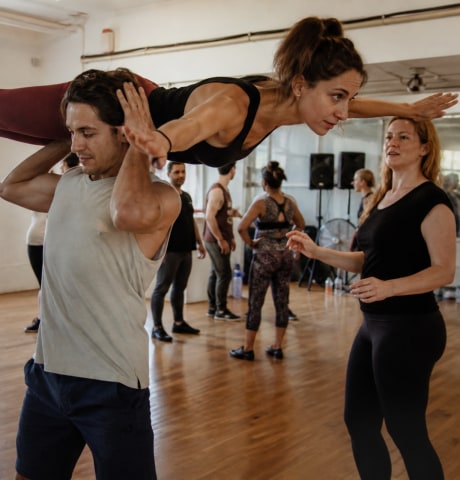
The foundation for every lift in carnival dance is clean technique. Instead of hoisting the flyer up with raw muscle power, experienced pairs use the momentum of their joint jump and the physical laws of leverage. For those starting out in the world of dance acrobatics, targeted preparation is recommended, as described in the guide Acrobatics trial training. Through targeted strength and coordination training in the club, the basis is laid to safely bring even complex throwing and overhead elements onto the stage.

Numbers and rules in carnival dance sports

seconds maximum time for lifts
30
Active lifts per dance couple
1
Minimum number of spotters during training
2

The safe way to the perfect lift

  1. Perform a targeted warm-up

    Warm up your wrists, core, and shoulders intensively. Stretch your legs for clean lines in the air.

  2. Agree on grips and timing

    Discuss the exact sequence of movements and determine at which points you will grip. A short nod signals that you are ready to start.

  3. Synchronizing the takeoff

    Use your shared momentum: the lifter bends their knees slightly, while the flyer pushes off the ground explosively.

  4. Stabilizing the lift phase

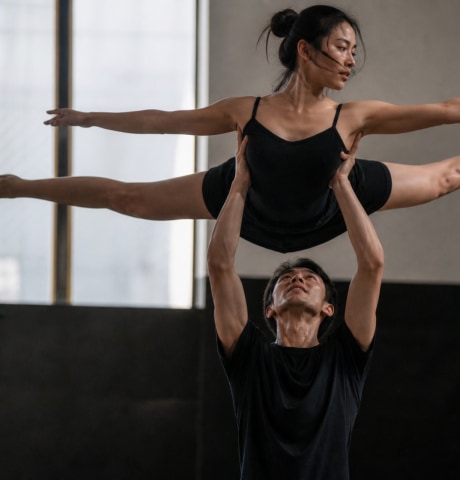
    The lifter pushes the partner upwards with a straight back, while the flyer builds up and maintains maximum body tension.

  5. Catching and landing safely

    The descent is performed in a controlled and joint-friendly manner. The lifter catches the weight until the flyer is standing safely.

Frequently Asked Questions

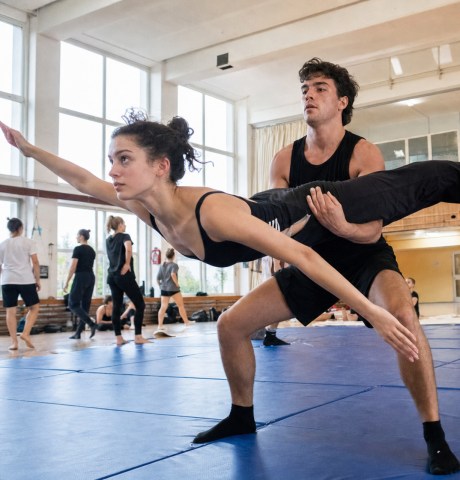
  1. When practicing lifts in carnival dance, you should wear tight-fitting sportswear to prevent getting caught. For the first attempts on soft mats, gymnastics slippers or non-slip socks are ideal, while special carnival boots with a split sole are used on the dance floor.

Acrobatics and carnival dance courses near you

Find the right training group for your next level now.

View all suitable courses

Reaching new heights together in carnival dance

Find like-minded people on udansa who share your passion for carnival dance sports, and discover suitable training opportunities in your area.

Reaching new heights together in carnival dance