The path from the first step to fluid movement
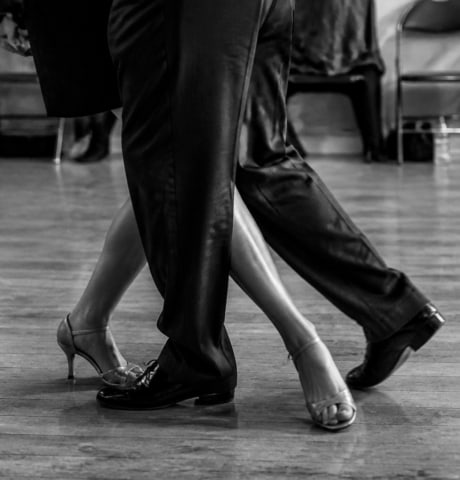
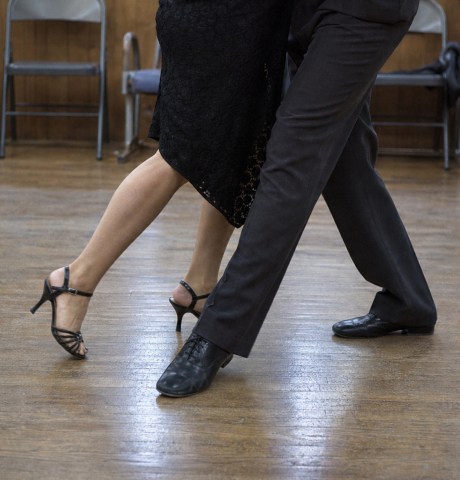
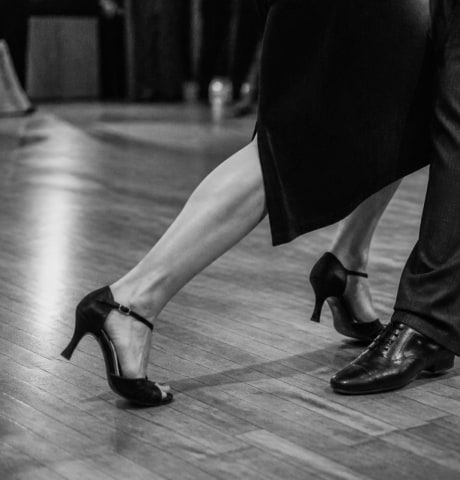
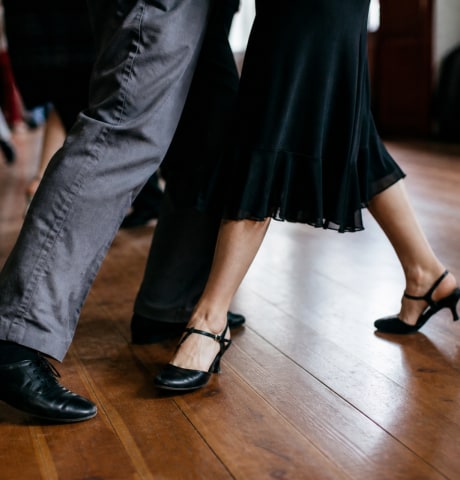
Starting with Argentine Tango is fundamentally different from other partner dances. Instead of rigid, counted step sequences, traditional improvisation in the salon is based on the subtle interplay of impulse and reaction. The classic figures do not serve as a rigid corset, but rather as a vocabulary for a silent conversation between partners. Anyone who masters the basics of walking uses these elements to move safely across the dance floor without colliding with other couples. In the first year, the focus is entirely on the axis, weight shifting, and a stable, warm connection in the upper body.
To maintain orientation at the milonga, an upright posture is crucial. You can find tips on aligning your upper body in the guide on head posture while dancing. In addition to posture, the subtle coordination between partners plays a key role. You can learn how to deepen this connection in the article on Argentine Tango breathing. Those who internalize these basics do not just dance the traditional figures without errors, but fill them with genuine feeling and musical depth.