Dance fitness4 minutes

Recovery after acrobatic training: How to properly care for your muscles

In short
  • Active recovery through a gentle cool-down immediately after training accelerates the breakdown of metabolic waste products.
  • Targeted cold applications immediately after exertion inhibit inflammation in the stressed muscle fibers.
  • Gentle fascia training and mild heat on the following day release painful tension and promote blood circulation.
  • Sufficient deep sleep is essential for hormonal regeneration and the repair of microscopic tissue tears.

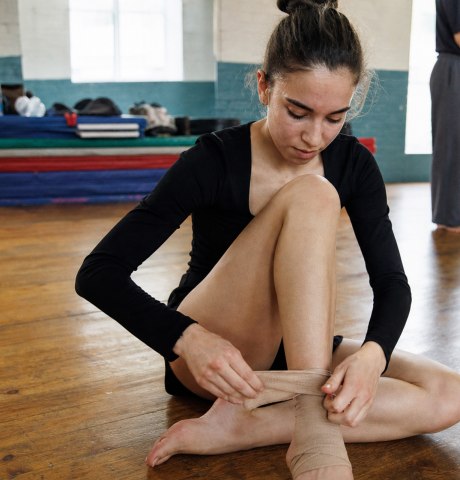
After an intense acrobatics session, your muscles are burning and your body is craving rest. With the right recovery strategy, you can noticeably shorten your recovery time and protect yourself from painful overexertion.

DefinitionRegeneration

In dance, regeneration refers to the sum of all processes that return the body to its physiological state of balance after physical exertion. It serves to rebuild depleted energy reserves and repair stressed tissue structures.

The first minutes after training are decisive

Anyone who sinks directly onto the sofa after an intense workout is wasting valuable recovery potential. Regeneration after acrobatics training begins in the first minutes after the final exertion. A structured cool-down signals to the nervous system the transition from flight mode to the recovery phase. Through light jogging and gentle, dynamic movements, blood circulation is maintained. This helps the body to transport metabolic byproducts like lactate away faster and to lower the heart rate in a controlled manner.

Directly after training, the muscle fibers are irritated by the extreme eccentric loads when catching jumps. Static stretching with high intensity is counterproductive now, as it can enlarge the fine micro-tears in the tissue. More suitable is light, flowing movement to gently lower muscle tension. Anyone who consciously manages the transition from the studio to everyday life lays the foundation for a pain-free next training session and effectively prevents chronic strain on tendon attachments.

Targeted tissue care against muscle soreness

Intense muscle soreness in Acro Dance is not proof of a good workout, but a signal of microscopic injuries to the muscle fibers. To accelerate the healing of these microtraumas, targeted thermotherapy has proven effective. In the first few hours after extreme impact, a short application of cold can contain inflammatory processes in the tissue. On the following day, however, mild heat promotes blood circulation and noticeably relaxes the hardened muscles.

Additionally, a gentle tissue massage with a foam roller helps to release adhesions in the fascia. However, you should never roll over painful areas with maximum pressure. The goal is to increase lymph flow, not to cause additional trauma to the tissue. Anyone who combines these tools will shorten their downtime and ensure elastic, high-performance muscles that will provide the necessary explosive power for demanding elements next time.

Recovery check for acrobats

Correct

  • Gentle cool-down immediately after exercise
  • Use cold applications for acute irritation
  • Anchor fixed rest days firmly in your schedule
  • Ensure sufficient and undisturbed sleep

Wrong

  • Intense static stretching immediately after training
  • Rolling sore muscles with maximum pressure
  • Continuing to train despite persistent exhaustion
  • Skipping the cool-down phase completely

Rest is not a sign of weakness, it is the moment when the body builds the strength we need for the next lifts.

Acro-dance instructor, Cologne

Sleep and periodization as performance boosters

Muscle building and recovery in dance sports do not happen during exertion, but in the phases of absolute rest. The most important factor for recovery after dance acrobatics is high-quality sleep. During deep sleep phases, the body releases growth hormones that are responsible for repairing stressed muscles and consolidating new movement patterns in the nervous system. Lack of sleep drastically increases recovery time and raises the risk of injury during the next training session.

To avoid overexertion in the long term, training and rest phases must be in a balanced periodization. Anyone who pushes their limits every day risks overtraining syndrome, which manifests itself through persistent fatigue and stagnant performance. Schedule fixed rest days where you fully recover. If you want to prepare optimally for your sessions, a structured start like the acrobatics trial training will help you to correctly assess your load limits from the very beginning.

The two pillars of recovery after training

Active

Active cool-down for the transition

Stimulate metabolism and wind down

Immediately after training, light, continuous movement like walking or gentle mobilization helps. The body breaks down lactate and gently initiates the recovery phase.

Passive

Observe targeted rest periods

Structured breaks for tissue healing

Fixed rest days and sufficient sleep allow the tissue to repair completely. Without passive breaks, you risk chronic overuse and a drop in performance.

Frequently Asked Questions

  1. A light cool-down of about 10 minutes is completely sufficient. Easy walking and gently shaking out your limbs will lower your heart rate and initiate recovery.

Acrobatics courses near you

Find the right training to improve your technique safely and professionally.

View all matching courses

Find your partner for Acrobatics

At udansa, you will find dance partners who share your passion for dynamic movements, as well as the right courses for your next level in Acro Dance.

Find your partner for Acrobatics