The iron law of the tailcoat at the Vienna Opera Ball
Anyone walking up the historic staircase of the Vienna State Opera on the evening of the Opera Ball enters a world where fashion compromises are out of the question. The Viennese ball tradition guards its visual standards more strictly than almost any other cultural institution in Europe. The Vienna Opera Ball dress code for men forgives no carelessness. While fine nuances are negotiated at smaller events in the city under the term Black Tie and White Tie dress code, absolute clarity prevails here. The dress code is not a suggestion, but a condition of entry that is consistently checked by the admission staff.
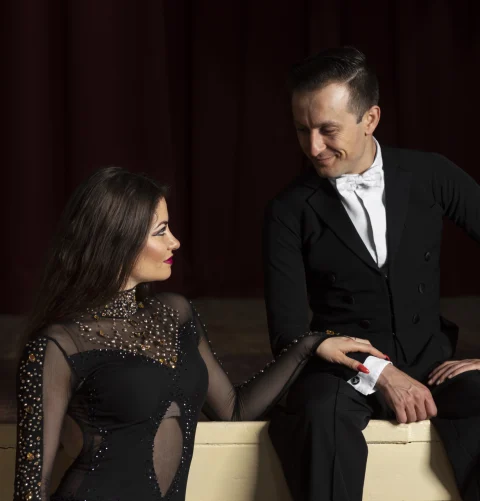
For male guests, the highest level of classic evening wear applies without exception. In plain terms, this means a black tailcoat is mandatory for the regular ball guest. Anyone appearing in a tuxedo or an ordinary business suit will simply be denied entry to the opera, regardless of whether they possess a valid ticket. Only members of the military in their respective gala uniforms are exempt from this regulation. The strict Vienna ball tailcoat requirement ensures the globally unique, homogeneous image in the ballroom that keeps the splendor of past eras alive.
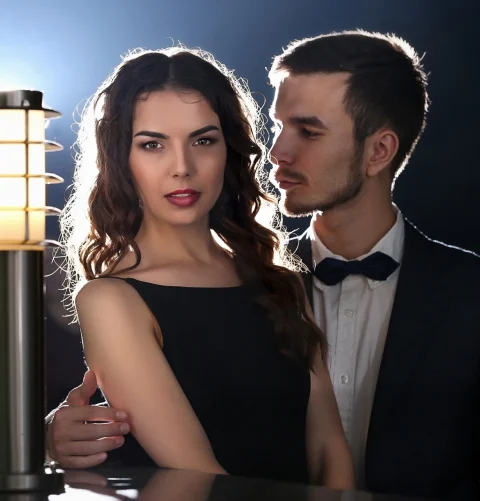
A correctly assembled tailcoat consists of much more than just the swallowtail jacket. The trousers have two silk braid stripes on the outer seams and are never held up with a belt, but always with invisible suspenders. This includes a white piqué waistcoat, a tailcoat shirt with a stiffened front, and a white piqué bow tie. A black bow tie with a tailcoat is the classic identifying mark of the service staff and is considered a serious faux pas for a guest. If you are unsure about the details, you should familiarize yourself with the style elements early on as part of a perfect ball preparation.