How single courses and rotation principles work
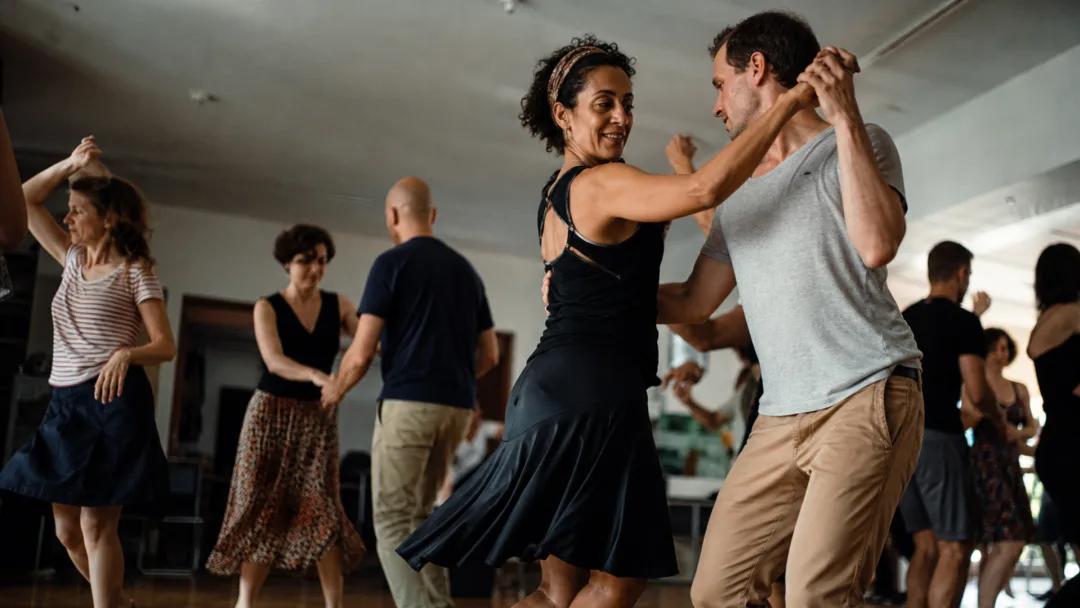
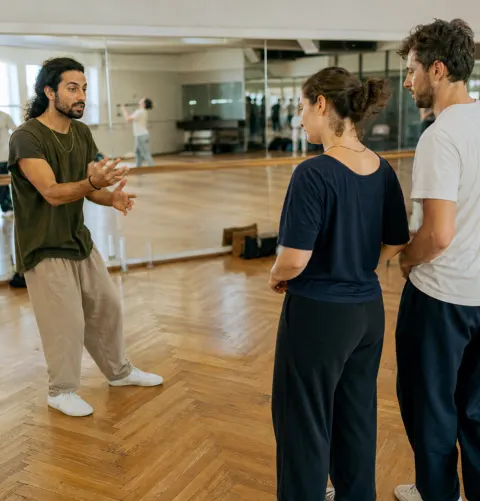
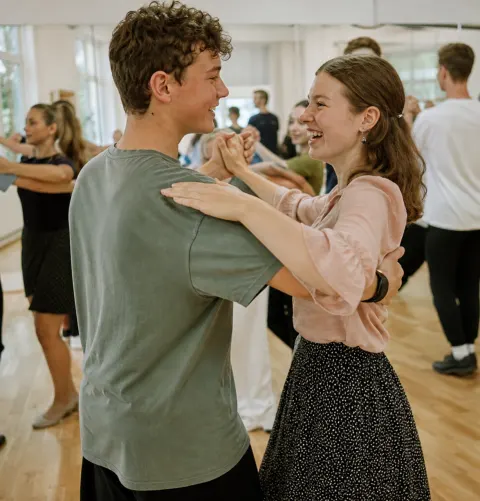
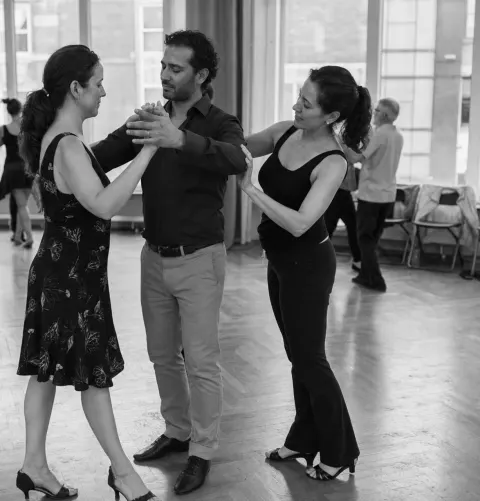
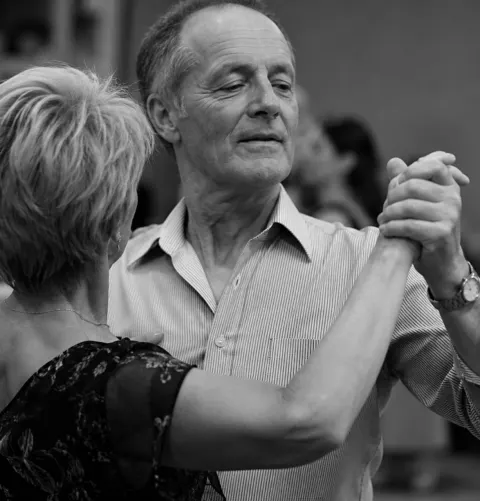
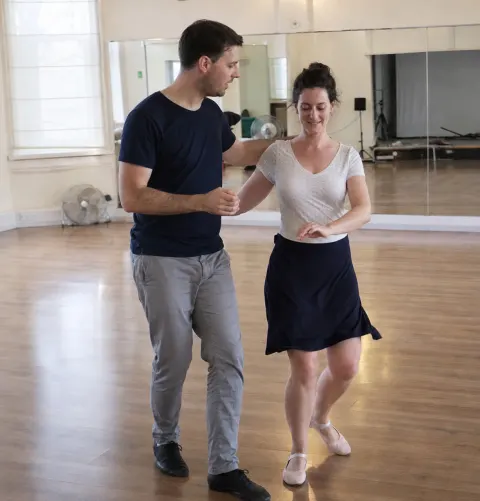
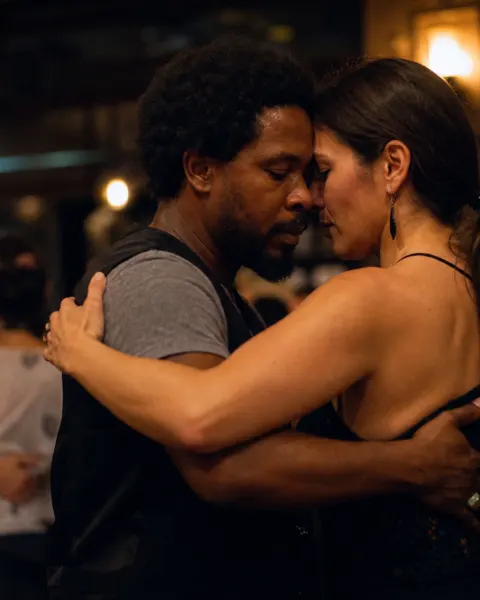
If you want to start without a fixed dance partner, you are by no means alone in dance schools. Many studios and dance clubs organize single dance courses using a rotation principle: during the class, all participants rotate regularly so that everyone practices with different partners. This removes shyness, trains real leading and following, and ensures a relaxed learning atmosphere. Alternatively, many schools keep internal waiting lists to match individual registrations in pairs before the course begins, ensuring a balanced ratio.
In addition to traditional partner dances from Waltz to Discofox, formats like Cuban Rueda in Hanover are very popular. In this circular dance style, constant partner switching is an integral part of the principle, which makes it particularly easy for solo dancers to get started. Advance arrangements via specialized platforms like udansa or non-binding trial sessions at a trial class in Hanover's dance schools also offer reliable ways onto the dance floor. If you stay open-minded, you will quickly find suitable connections and learn partner dance in a well-founded way.