Ball preparationDance courses in Hannover

Ball dance course Hannover: The right preparation for galas

4 minutes
In short
  • For normal ball evenings, four to eight weeks of regular dance lessons are usually enough to confidently perform the Waltz and basic steps.
  • For an official debutante committee, you should generally plan for several months of lead time as well as intensive special rehearsals for the opening choreography.
  • What is decisive for a successful ball experience is not complex figures, but an upright posture, a sense of rhythm, and leading on crowded dance floors.

At festive galas, hundreds of couples share the dance floor in a very confined space. Targeted preparation determines whether the evening becomes a stress-free pleasure or a series of evasive maneuvers.

DefinitionBallroom dance course

A ballroom dance course is a specialized form of instruction that prepares couples specifically for festive gala balls, etiquette, and dancing on crowded dance floors. The focus is usually on Waltz and space-consuming ballroom dances, as well as techniques for confident navigation in the ballroom.

What distinguishes a ball course from regular dance lessons

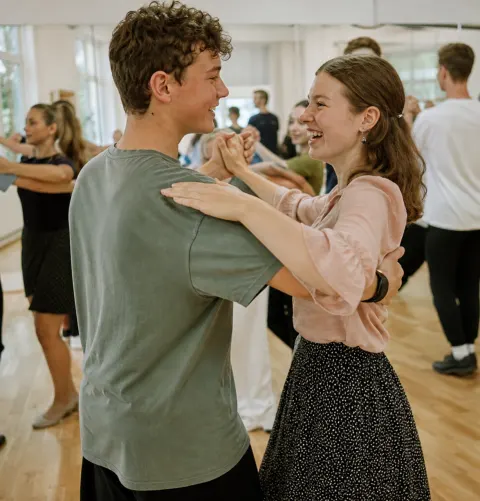
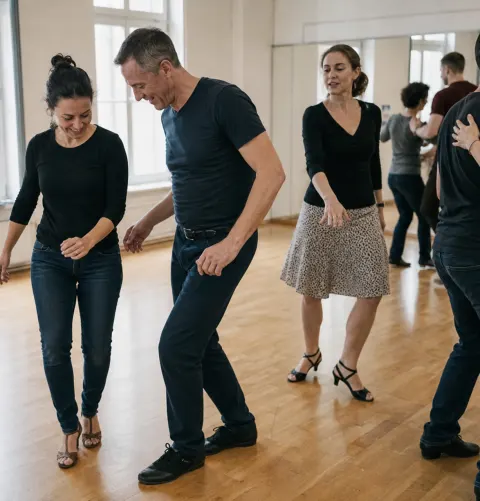
Anyone preparing for a festive dance floor faces completely different requirements than in regular recreational classes. A ball dance course in Hannover does not aim for complicated choreographies, but for stability in the hustle and bustle. At major events like the traditional Opernball Hannover in the festively transformed opera house at Opernplatz, hundreds of couples meet on the dance floors at the same time. There, safe maneuvering, a reliable basic step, and a sense for the space are what count most.

For pure ball participation as a guest, three to six weeks of preparation are sufficient for most couples. Here, the focus is on classic dances such as Viennese Waltz, Slow Waltz, and Discofox. Anyone who wants to ceremoniously open a ball as part of the debutante committee, however, must plan for significantly more training time. For rehearsals and synchronous group formations, organizers usually schedule multi-week rehearsal phases that require disciplined attendance.
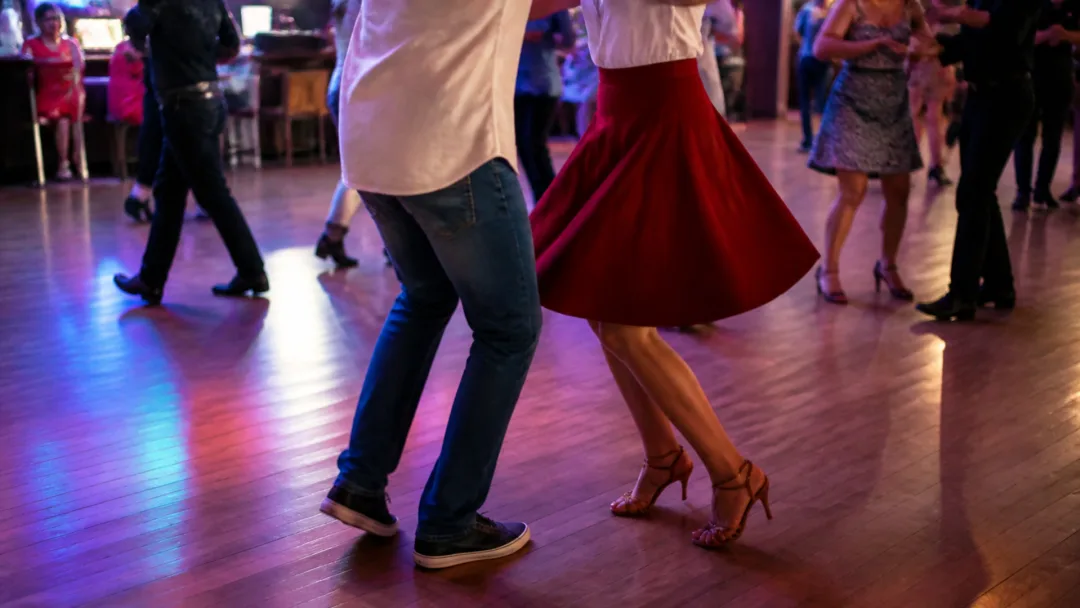
On crowded dance floors, it is not the number of moves that counts, but the ability to adapt turns and basic steps flexibly to the space.

The right schedule before big dance galas

Many couples underestimate the time the body needs to retrieve steps automatically. Those who only start two weeks before the ball night get stressed as soon as the live band picks up the tempo slightly. Proactive ball preparation for dancing in Hannover therefore begins at least two to three months before the date. This leaves enough space between the lessons to let movement patterns sink in.

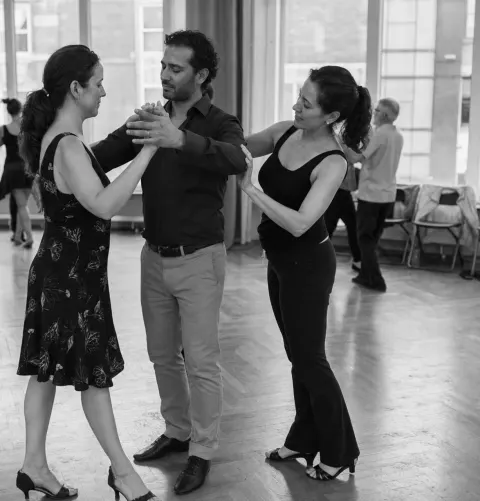
Another aspect is the dynamics on the dance floor: in the dance studio, you usually practice with plenty of space. At a ball, couples share the floor with many other guests. A good dance course in Hannover therefore teaches how to turn in tight spaces, initiate changes of direction, or linger on the spot without losing the beat. Those who master this flexibility enjoy the evening confidently, instead of having to fear collisions.

Preparing for the gala dance floor: The right way vs. typical mistakes

How to prepare for the ball

  • Practice steps in a small space and while standing
  • Focus on posture, rhythm, and eye contact
  • Plan at least four to eight weeks of lead time
  • Break in your dance shoes thoroughly during class

Typical pitfalls

  • Memorizing complicated sequences of figures
  • Practicing only on large, completely empty dance floors
  • Starting only one week before the ball date
  • Breaking in new shoes on the evening of the ball

Dance courses for balls and festive occasions in Hannover

Find suitable dance courses in Hannover to learn Waltz and basic steps confidently for your next festive event.

At a ball, it is not the couple with the most spectacular moves that shines, but the one that can move harmoniously across a crowded dance floor.

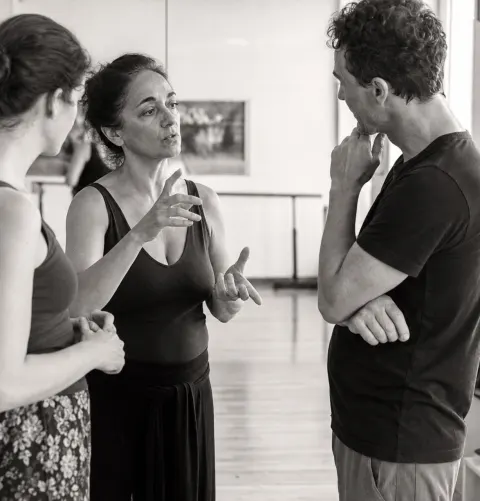
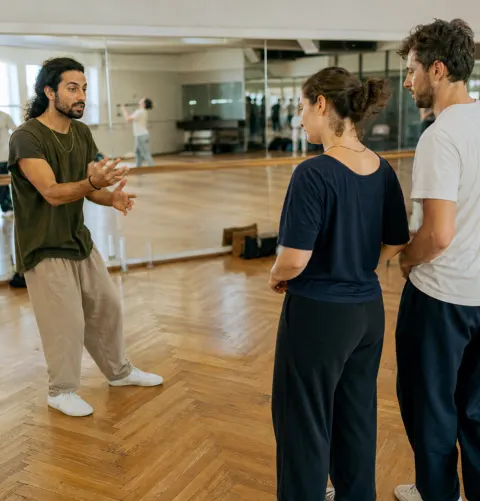
Dance instructor for ballroom dances

Choose formats for your personal ball preparation

Before you decide on a preparation model, it is worth taking an honest look at your starting point. If you already have basic knowledge of Waltz or Foxtrot, a compact refresher course over one or two weekends is often enough. If you lack any experience in partner dance, a multi-week beginner course is recommended to build posture, a sense of rhythm, and balance in a relaxed way.

Those who have very specific goals or irregular working hours often benefit from targeted private lessons. Couples aiming for a debut should also inform themselves early on about the requirements of the respective festival committee. This way, you avoid misunderstandings regarding the required step sequences and can focus fully on the unique experience in the spotlight.

Ball guest or debutante: Two paths to the dance floor

Ball guest

Enjoy the dance floor

Dance through the evening with confidence

The focus here is on strolling together, spontaneity, and relaxed rounds to Waltz, Discofox, or Swing. Three to six weeks of refreshing your skills are usually more than enough.

Debutante

Festive entrance in focus

Precision for the opening dance

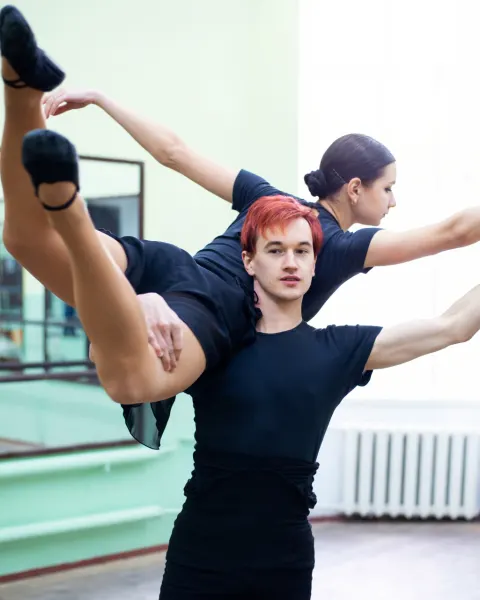
The festive opening demands absolute synchronicity, exact step patterns, and months of discipline during joint rehearsals. Every step follows a fixed choreography.

Frequently Asked Questions

  1. For normal ball evenings, four to six weeks are usually enough to master the basics of Wiener Walzer, Langsamer Walzer, and Discofox without stress. If you are starting with no prior knowledge, you will benefit from a two-month lead time.

Mary De Lucaudansa editorial team ·
Share
Know-how for the floor

From the guide

View all articles