Kids danceDance courses in Hannover

Kids dance in Hannover: An overview of age groups and formats

5 minutes
In short
  • For children from about three years old, playful movement concepts like creative children's dance are suitable, while before that, joint parent-child formats are in the foreground.
  • From primary school age, the offerings differentiate into fixed dance styles like ballet, jazz dance, or hip-hop with clear step sequences.
  • A good children's dance school in Hannover is characterized by trained dance educators, age-appropriate group sizes, and a non-binding trial lesson.

Children's dance promotes motor skills, self-confidence, and musicality from an early age. What parents should look out for regarding age groups, dance styles, and choosing the right studio.

DefinitionCreative children's dance

Creative children's dance is a dance pedagogy concept for children aged three and up, which trains imagination, posture, and a sense of rhythm through playful movement tasks without fixed step patterns. In doing so, the children explore their own movement possibilities and strengthen their body awareness.

Age groups from the first steps to preschool age

For parents, the search for the right course usually begins with the question of the right starting age. In children's dance in Hannover, the concepts build on each other: In the first years of life, the focus is on the shared experience in parent-child dance. Here, mothers or fathers accompany the little ones with simple finger plays, movement songs, and initial rhythmic impulses. From about three years of age, children move into independent groups where they explore the room without their parents.

Between four and six years of age, the lessons lay the foundation for coordination, posture, and spatial awareness. Dance-trained instructors do not work with rigid step sequences here, but instead use stories, props like chiffon scarves, and imaginative movements. If you are looking for a course, you can consider in advance whether you prefer free forms of expression or initial technical foundations. A structured overview like the guide Finding a dance course in Hannover helps to adapt the teaching model to the child's stage of development.
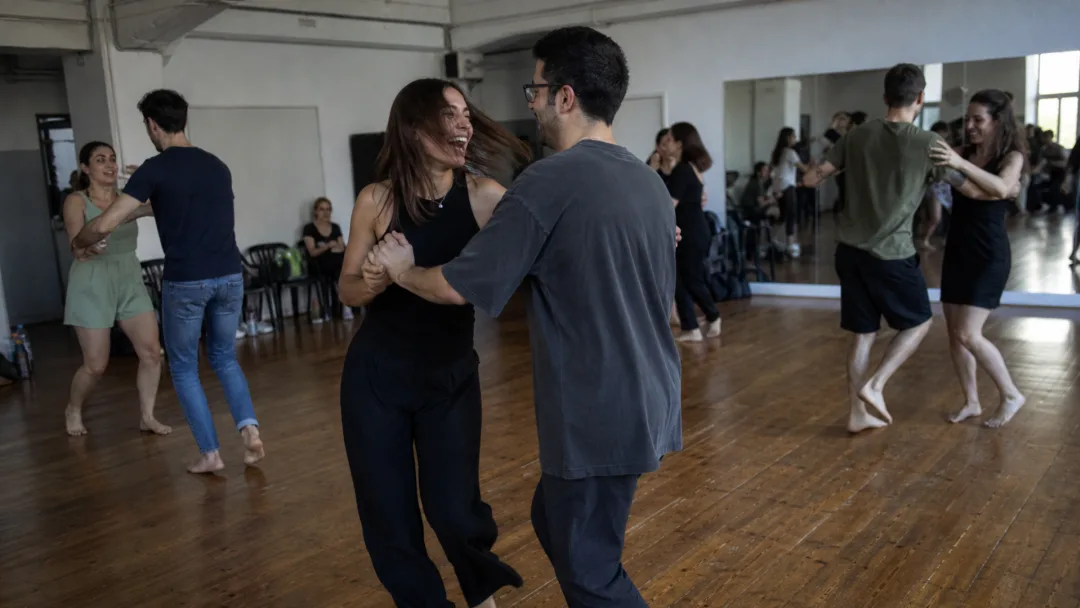
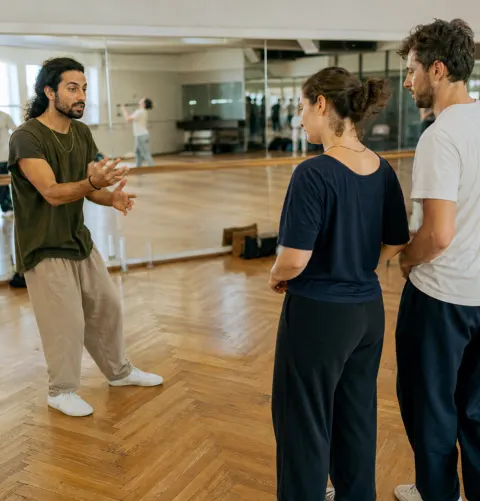
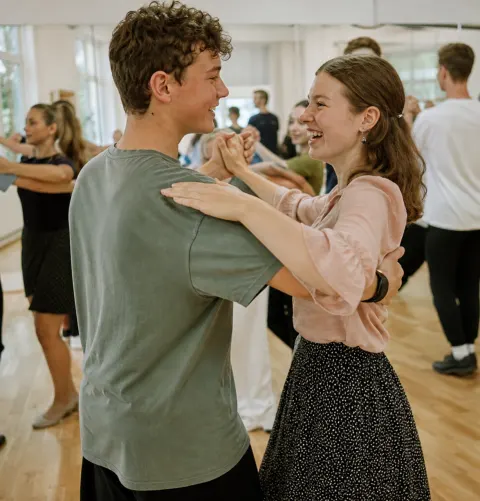
First playful movement in the room, later clean technique: children's dance grows with age and boosts self-confidence.

From primary school age to teenager: choosing fixed dance styles

With the start of school, the perception of rhythm and group structures changes fundamentally. Children from the age of six or seven can memorize complex movements and often desire clear styles. Anyone heading to a well-founded children's dance school in Hannover will usually encounter two main directions: classical children's ballet or urban styles like Hip-Hop and Streetdance.

Classical dance specifically trains footwork, body tension, and musical counting, while urban dance forms function strongly through dynamics, bounce, and current music. It is important in this phase that children have a say in the choice of dance style. External pressure quickly leads to frustration, while genuine self-motivation ensures the fun of regular movement. If you would like to test an offer, it is best to arrange a non-binding trial lesson for dancing in Hannover to get to know the group atmosphere and the trainer team on site.

Choosing a dance course for kids: What matters

How to get started successfully

  • Take at least one trial lesson before signing a contract
  • Look for trained dance teachers and movement suitable for children
  • Let the child help decide on the dance style based on their own interests
  • Use comfortable, movement-friendly everyday clothing for the start

Typical mistakes

  • Signing long-term annual contracts without getting to know the school first
  • Applying adult choreography to children without reflection
  • Pushing your own dance ambitions against the child's will
  • Buying expensive special equipment before the trial lesson

Children's dance classes in your area

Find child-friendly classes and workshops, from creative dance to Hip-Hop, for every age.

In children's dance, it is not about flawless steps, but about trusting your own body and discovering music as a form of expression.

Dance teacher for children's dance

Quality features: How parents recognize good dance offers

A good children's dance school is not characterized by glossy advertising, but by transparent structures and qualified staff. Parents should pay attention to whether the teachers have a sound education in dance pedagogy or a comparable qualification. Children's bodies are in a growth phase: unphysiological postures or excessive stretching without professional supervision can damage joints and ligaments.

Equally important are clear agreements regarding the trial phase and fair contract terms. Studios that provide open insights into their work and explain their training philosophy to parents in advance build trust. Also, pay attention to the group size: more than ten to twelve children per teacher make individual support difficult in the toddler area. Transparent communication about spectator rules during training sessions shows that the well-being of the children comes first.

Creative dance and technical styles in comparison

Creativity

Creative Children's Dance

Free joy of movement for children aged 3 to 6

In preschool age, the focus is on the joy of play, imagination, and free rhythm. Children transform into animals or natural phenomena and playfully understand their bodies in space.

Technique

Style-based instruction

Targeted step sequences from primary school age

From around the age of seven, the focus shifts to fixed dance steps, choreographies, and body control. Children learn counts, synchronous group movements, and stylistic techniques.

Frequently Asked Questions

  1. For the start, comfortable leggings or sweatpants, a breathable t-shirt, and non-slip slippers or socks with grip soles are sufficient. Parents should only purchase specific dance shoes or leotards after consulting with the dance school and completing the formal registration.

Bernhard De Lucaudansa editorial team ·
Share
Know-how for the floor

From the guide

View all articles