Dance stylesDance styles in Hannover

Flamenco in Hannover: studios, rhythm, and passion

5 minutes
In short
  • Flamenco in Hannover teaches complex Andalusian rhythms, posture, and footwork in solo or group lessons.
  • For beginners, sturdy shoes with a wide block heel and comfortable clothing are sufficient, while specialized shoes with nail plates can follow later.
  • High-quality studios are characterized by joint-friendly wooden sprung floors and sound rhythm instruction.
  • Current course dates and workshops for Hannover can be specifically compared using the filter on udansa.

Flamenco combines percussive footwork with a proud posture and rhythmic precision. If you want to learn this Spanish dance in Hannover, you will find guidance here on technique, equipment, and choosing the right classes.

DefinitionCompás

Compás refers to the rhythmic foundation and the cyclical time signature of a flamenco style. It sets the beat according to which dance, singing, and guitar synchronize.

What defines Flamenco and what matters when getting started

If you want to start with Flamenco in Hannover, you are entering an art form rich in tradition that goes far beyond simple sequences of steps. This Spanish dance is based on a complex interplay of rhythmic footwork, precise body tension, and emotional expression. In Hannover, various dance teachers and studios offer entry-level opportunities where beginners first internalize the basics of rhythm and posture. If you want to get your bearings beforehand, it is best to use a short dance style finder for Hannover to determine whether the intensive rhythmic work matches your personal preferences.

The foundation of every class is understanding the traditional rhythms, the so-called palos. Instead of venturing into rapid turns right away, beginners learn to clap in time and place their feet precisely. In a good dance studio, a sprung wooden floor is essential, as it protects the joints during percussive footwork while providing the necessary acoustics. Without the acoustic feedback of the foot strikes, the dance lacks an essential component of its language.
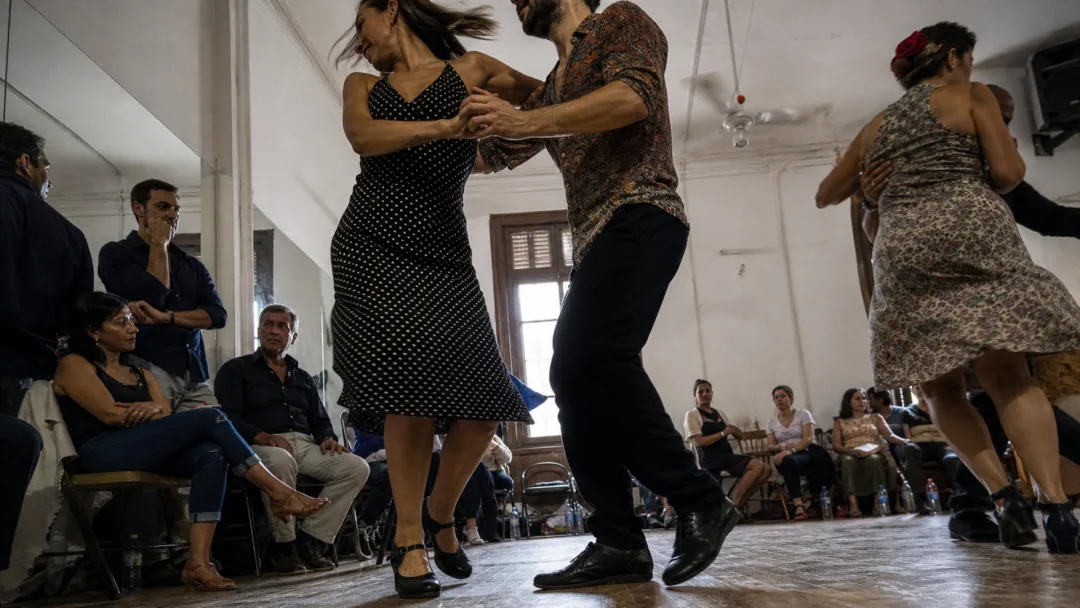
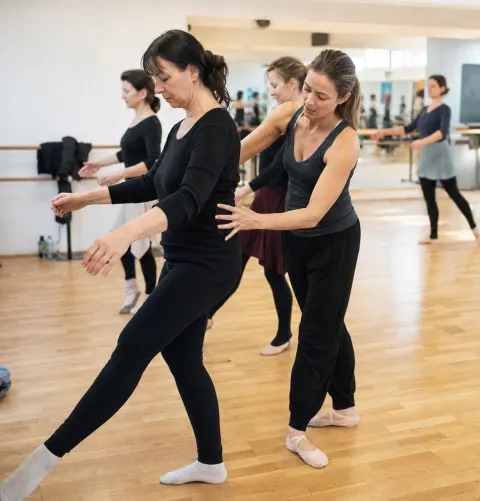
Precise footwork requires a wooden sprung floor, which absorbs impact and reproduces sound clearly.

The right equipment and how to recognize good courses

A common misconception among beginners is the assumption that Flamenco requires expensive special equipment right away. For the first trial lessons, comfortable training clothes and clean street shoes with a wide, stable heel of three to five centimeters are sufficient. A closed shape and a firm sole are important, while stiletto heels or soft sneakers are unsuitable. If you are still unsure whether the style fits your own training routine, you can use a targeted trial lesson in Hannover to test the room atmosphere, floor quality, and teaching methods.

Only when you have decided on regular training is it worth purchasing professional Flamenco shoes with a nailed sole at the toe and heel. Wide practice skirts are also part of it later on, in order to be able to perform the characteristic skirt work correctly. In addition to Flamenco, many other forms of expression can be found in Hannover, from urban styles to offers for folklore and world dance in Hannover, which provide insights into global rhythmic traditions.

Preparing for your first Flamenco course

How to get started

  • Wear shoes with a sturdy, three to five centimeter block heel
  • Look for a joint-friendly sprung wooden floor in the studio
  • Learn basic rhythms and clapping right from the start
  • Take advantage of a trial lesson beforehand to evaluate the class

Typical beginner mistakes

  • Training in cushioned sneakers or slippery socks
  • Practicing footwork on concrete or hard tiled floors
  • Ignoring rhythmic music theory in favor of fast steps
  • Buying expensive Flamenco shoes immediately before the first trial lesson

Find Flamenco courses in Hannover

Discover offers for beginners and advanced dancers in Hannover and learn the Spanish dance from scratch.

Flamenco does not originate in the feet alone, but in the tension of the entire body and a deep understanding of the rhythm.

Flamenco dance instructor

Community and the interaction with the music

Flamenco differs fundamentally from classic social dances. There is no rigid division of roles between leading and following, as the choreographies are usually rehearsed as a solo dance or in a synchronous group. Nevertheless, Flamenco is not an isolated dance: in the Andalusian tradition, the dynamic arises in a close dialogue between dance, singing, and guitar playing. Anyone who has learned the basics understands the signals of the music and can set their own accents.

When choosing the right offer in Hannover, it is worth asking whether music theory and rhythm theory are taught alongside pure step technique. Well-founded instruction explains the rhythmic cycles and provides space to develop the interplay of body control and personal expression step by step. As a result, dancers gain the composure that makes Flamenco appear so powerful at every level.

Technique and rhythm in Flamenco

Technique

Zapateado and posture

Footwork and precision

In technical training, the focus is on precise footwork, hand movements, and an upright posture. Here, you build coordination and endurance.

Rhythm

Compás and hand clapping

Sense of rhythm and dynamics

Musical understanding is about internalizing rhythmic structures and clapping. It gives the dance expression and confidence.

Frequently Asked Questions

  1. For your first classes, you need comfortable clothing and sturdy shoes with a wide heel of three to five centimeters. Sneakers are unsuitable because of their cushioning, as they dampen the acoustic feedback. It is best to buy proper Flamenco shoes with a nailed sole only after consulting with your instructor.

Mary De Lucaudansa editorial team ·
Share
Know-how for the floor

From the guide

View all articles