Classical danceDance styles in Hannover

Ballet for adults in Hannover: elegance and technique

5 minutes
In a nutshell
  • Ballet for adults in Hannover is aimed at beginners and those returning to dance of all ages, with no barriers to entry.
  • Classes always begin with exercises at the barre for stability, before moving on to free step sequences in the center of the room.
  • Pointe work requires several years of training experience, strong ankles, and a clean body alignment.
  • For the first few lessons, comfortable sportswear, socks or simple ballet slippers, and a sprung floor in the studio are sufficient.

Ballet lessons for adults do not require childhood experience, but patience and the right guidance. Anyone who understands the basics at the barre gains posture, strength, and flexibility down to their fingertips.

DefinitionEn dehors

In classical ballet, en dehors refers to the outward rotation of the legs from the hip joint. This basic tension allows for maximum freedom of movement in all directions, but it must never be forced from the knees.

Understanding classical training without performance pressure

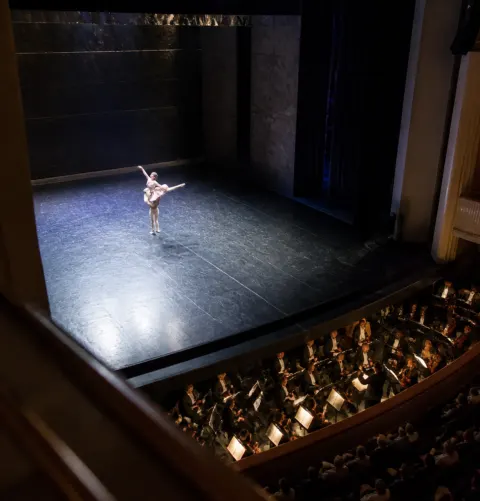
If you are looking for ballet classes for adults in Hannover, you are often faced with the question of whether it is even possible to start without years of prior experience from childhood. The clear answer is: Yes. Adult classes for classical ballet start from a completely different point than classes for children. Instead of playful early education or the drill of a stage career, the focus is on functional anatomy, conscious posture, and the interplay of muscle tension and release. While the renowned Staatsballett Hannover shows the highest virtuosity on the stage of the opera house at Opernplatz, a good adult class teaches the basics step by step and without misplaced performance pressure.

You can recognize a qualified ballet studio in Hannover by the fact that it separates true beginner classes from levels for those returning to dance. As an adult starting ballet, you need time to grasp the coordination of the feet, core stability, and the classical movement vocabulary. In mixed classes, where former tournament dancers train alongside absolute newcomers, anatomical precision often falls short. A transparent lesson structure protects against overexertion and creates confidence in your own body.

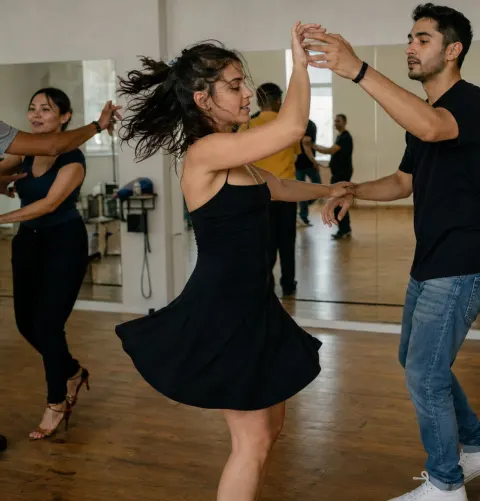
A sprung floor with a wood or dance floor covering effectively cushions jumps and protects joints from strain.

The structure of a classical ballet class

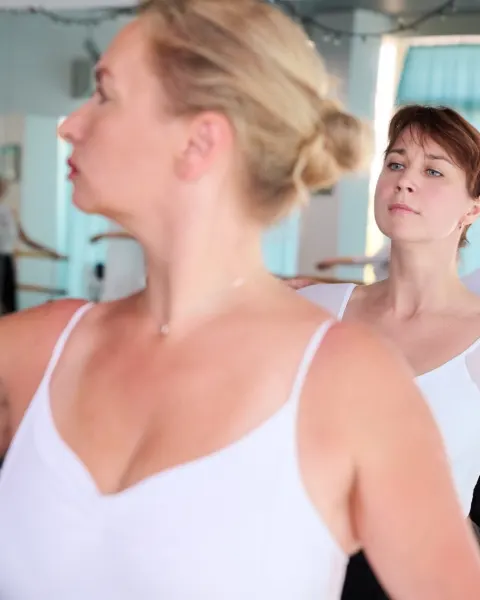
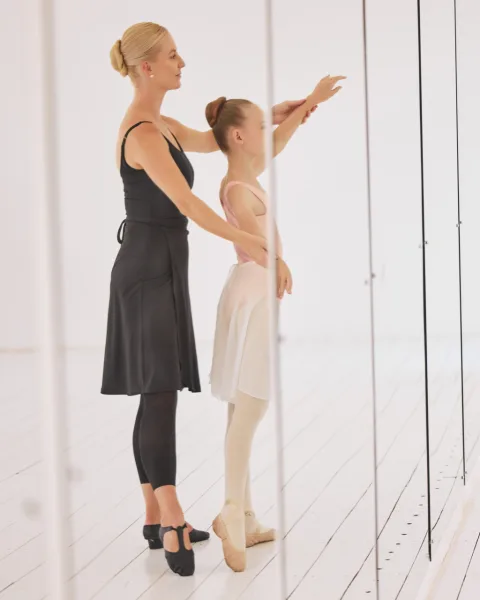
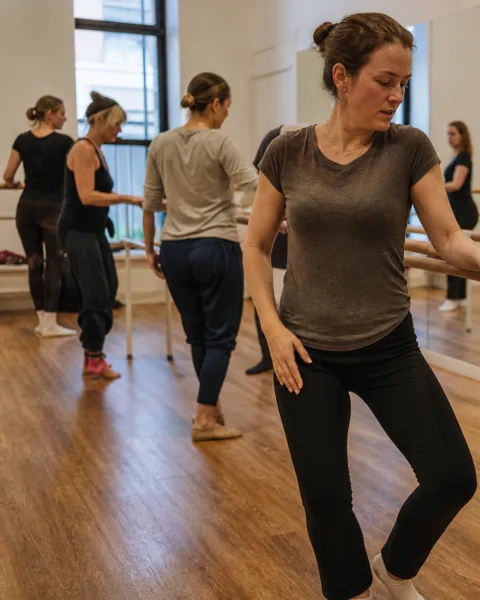
Every classical ballet class follows a structure proven over centuries, which provides the body with maximum safety. The training begins without exception at the ballet barre. Here, you warm up your joints, strengthen the foot muscles through pliés and tendus, and train your balance on one leg. The barre serves not as a support to hold onto, but as a subtle guide for your balance. Only when the body axis is stable do the dancers move to the center of the room (milieu).

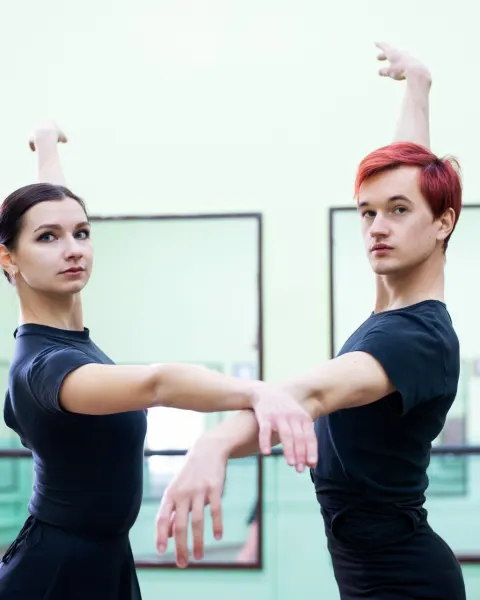
In the center, the previously isolated movements are combined into fluid sequences: port de bras trains the harmonious use of the arms, while adagio exercises build strength and control for slow leg lifts. Fast jumps (allegro) finally form the dynamic finale of the class. If you are unsure which studio or level is right for you, you can benefit from a targeted trial class for dancing in Hannover to personally test the teaching style, dance floor, and atmosphere in advance.

Ballet training: Correct technique against typical mistakes

Like this

  • Initiate outward rotation exclusively from the hip joint
  • Use split-sole ballet shoes for flexible feet
  • Ensure the studio has a sprung floor that is gentle on the joints
  • Actively accept and implement corrections from the instructor

Don't do this

  • Forcefully turn your feet outward and twist your knees
  • Start directly with pointe shoes without preparation
  • Train on undamped concrete or tile floors
  • Ignore poor posture out of shame instead of asking for help

Find ballet courses in Hannover

Find the right ballet course for your level directly in Hannover using our search.

Ballet trains the awareness of your own body axis as thoroughly as almost any other movement system, regardless of your age when you start.

Dance teacher for classical ballet

Pointe work and the right preparation

Pointe work fascinates many adults, but it carries significant injury risks if started too early or without a solid foundation. Standing on the tips of your toes requires enormous strength in the foot and calf muscles, stable ankles, and a perfectly aligned body axis. Reputable dance professionals advise adults to complete at least two to three years of regular ballet classes several times a week before even thinking about special pointe shoes.

The equipment for regular training should also be chosen for functionality. Expensive leotards or tutus are not necessary, as tight-fitting, breathable sportswear is perfectly sufficient so that the instructor can immediately recognize joint positions and posture errors. On your feet, you should wear well-fitting slippers made of linen or soft leather with a split sole. If you want to know whether ballet or another dance style best suits your goals, you can take the dance style self-test for Hannover beforehand to gain clarity about your personal preferences.

Two levels in classic classes

Basics

Basic course for beginners

Foundation at the ballet barre

Beginners learn turnout from the hips and proper foot extension at the barre. Without jumps or complex turns, the focus is entirely on body awareness and core strength.

Progression

Advanced class

Coordination in open space

Advanced students train demanding pirouettes, expansive jumps across the room, and, after several years of preparation, the first basics on pointe. The pace of the combinations picks up noticeably.

Frequently Asked Questions

  1. No, ballet can be started at any age. Adult classes are specifically designed to build flexibility and strength gently and without acrobatic pressure over the months.

Bernhard De Lucaudansa editorial team ·
Share
Know-how for the floor

From the guide

View all articles