How to avoid sensory overload in partner dance
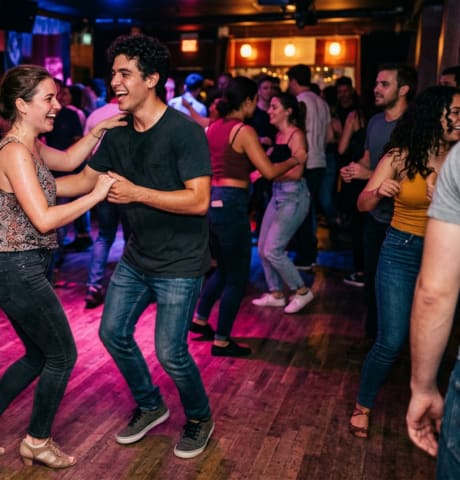
Dancing is a wonderful way to feel your own body and express yourself without words. However, for people on the autism spectrum or with ADHD, classic partner dance in a crowded hall can mean sensory overload. Loud music, flickering lights, close physical contact, and the constant hustle and bustle on the dance floor place extreme demands on the nervous system. It is all the more important to choose a low-stimulus environment from the start. Many dance schools now offer special courses where the volume is dampened and the group size is kept intentionally small. Even at Social Dance, a protected space can be created through targeted agreements.
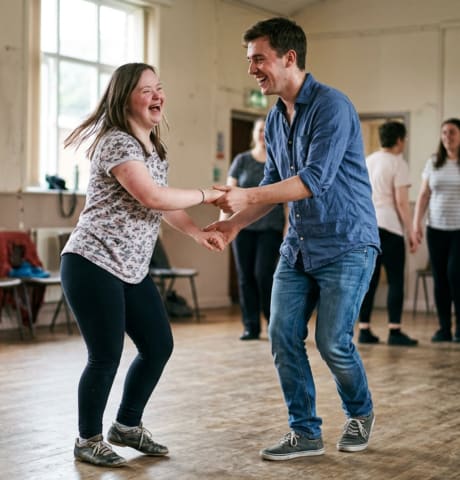
Anyone looking for a dance partner as a neurodivergent person benefits from clear and open communication. An understanding ADHD dance partner or someone who supports the autism dance partner search makes getting started much easier. It helps to discuss your own boundaries, such as the need for breaks or sensitivity to certain touches, in advance. This way, you can enjoy dancing together without pressure or masking, while your brain processes the movements at its own pace.