Samba music5 minutes

Samba music styles: From Pagode to Bossa Nova

By Mary De LucaUpdated

In a nutshell
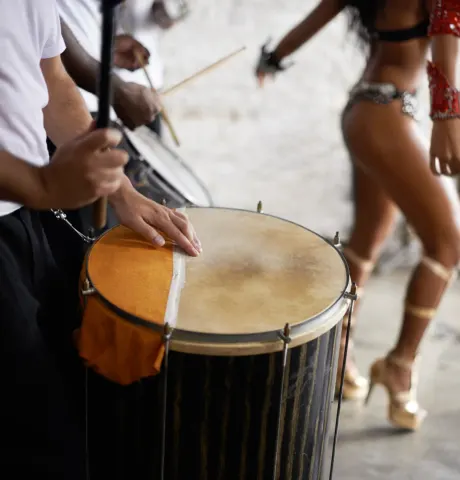
  • Samba Enredo is the monumental, fast-paced sound of the carnival, carried by massive drum ensembles.
  • Samba Bossa Nova combines the Samba structure with jazz harmonies and a distinctly calm, acoustic aesthetic.
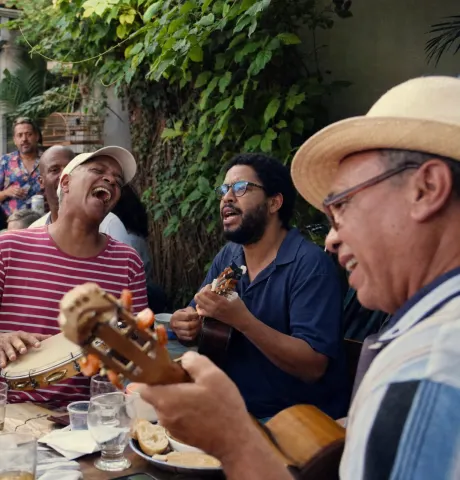
  • Pagode music is the sociable and popular variation from the suburbs, traditionally played while sitting at a table.
  • Samba Canção emphasizes melancholy and vocals, creating a bridge to the romantic chanson.

Brazilian rhythms are best shared together

Whether you love the relaxed groove of Bossa Nova or want to get carried away by the energetic rhythm of Samba Enredo: on udansa you will find dance enthusiasts who share your passion for Brazilian sounds. Sign up and meet like-minded people for your next rhythmic adventure.

Brazilian rhythms are best shared together

The world of Brazilian Samba is amazingly multifaceted. Beyond the world-famous carnival parades, there are hidden musical subgenres that range from melancholic intimacy to jazzy elegance.

DefinitionSamba music styles

Samba music styles refer to the various historical and regional subgenres of Samba, which differ significantly in instrumentation, tempo, and emotional expression. They range from the energetic carnival sound to the gentle Bossa Nova.

The colorful variety of Brazilian rhythms

When you think of Samba, you usually immediately picture the massive drum battalions of the Rio Carnival. However, this high-energy variation, known as Samba Enredo, represents only one facet of a vast musical cosmos. The different Samba music styles reflect the changing history of Brazil, from the Afro-Brazilian roots in the favelas to the elegant salons of Copacabana. Each style uses its own instruments, emphasizes different beats, and carries its own unique emotional coloring.

To truly understand the variety of Samba styles in music, it is worth taking a look at the different contexts of their origins. While some genres were created for the big street and collective euphoria, others emerged in intimate backyards or intellectual artist circles. If you want to dive deeper into the cultural origins, you will find valuable insights in the article about Samba history. The musical evolution shows how adaptable this rhythm is.

The diversity of Samba subgenres is particularly evident in the contrast between intimate acoustic sessions and massive drum formations.

From gentle jazz influence to a social gathering

At the opposite end of the dynamic spectrum of Samba musical styles is Samba Bossa Nova. Emerging in the late 1950s in the affluent coastal neighborhoods of Rio de Janeiro, this style drastically slowed down the tempo of traditional Samba. Instead of driving percussion, it is dominated by gently plucked classical guitar, jazzy chords, and almost whispered vocals. Bossa Nova brought a completely new, intellectual, and sophisticated elegance to Samba, which left a lasting mark on the global perception of Brazilian music.

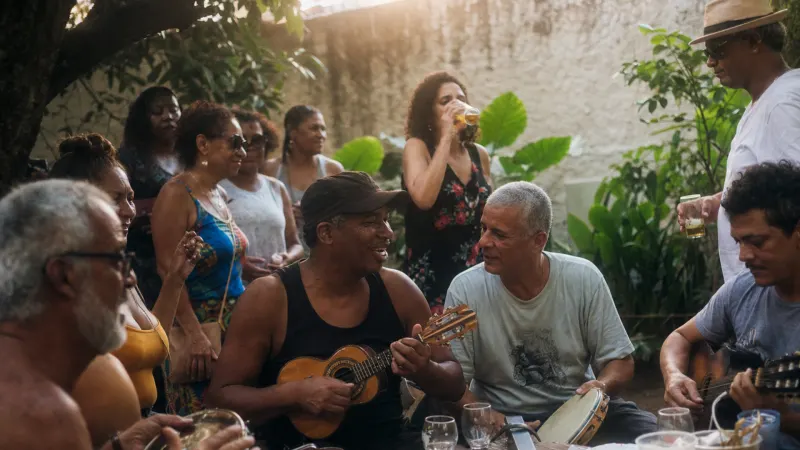
In contrast, Pagode music conveys a completely different attitude toward life. It developed in the 1970s and 1980s in the suburbs of Rio as a down-to-earth, extremely social variation. At a typical Pagode gathering, the musicians sit around a table, drink beer, and play with smaller instruments like the cavaquinho, the repique de mão, and the pandeiro. The lyrics are relatable, often humorous or romantic, and invite the audience to sing and clap along.

Understanding Samba subgenres correctly

Correct

  • Pick out the different instruments of the styles
  • Enjoy the relaxed character of a Pagode session
  • Appreciate the jazzy harmonies of Bossa Nova

Myths

  • Thinking every Samba style is for fast carnival music
  • Confusing Pagode with sterile studio pop
  • Ignoring the African roots of the rhythm

Samba is the weeping that sings, and the laughter that laments. In every subgenre lies this inimitable Brazilian longing that we call Saudade.

Brazilian cultural scientist

Melancholy and joie de vivre in constant alternation

Styles like Samba Canção, often referred to as Brazilian Bolero, bridge the gap between the pompous street and the cozy living room. Here, the focus is on melancholic melodies and longing lyrics, which dominated the country's radio stations long before the Bossa Nova wave. Anyone comparing the different Samba music styles will quickly realize that the music is far more than just a fast dance rhythm: it is a highly emotional outlet for joy, pain, protest, and community.

For everyone who wants not only to listen to this music but also to experience it physically, starting with classic partner dance is a great option. On the dance floor, you will learn how the different musical dynamics can be translated into movement. The Samba guide for beginners offers an excellent introduction to this, making your first steps on this captivating dance floor easier.

Two worlds of Brazilian rhythm

Enredo

Samba Enredo

The energetic pulse of the carnival

This style is loud, monumental, and designed for the big arena. With an extremely high tempo and a massive battery of drums, it whips the crowds forward and leaves no room for quiet tones.

Bossa

Samba Bossa Nova

The intellectual, jazzy variation

This style brings Samba into the living room. With gentle acoustic guitars, jazzy harmonies, and whispered vocals, the focus here is on a relaxed, intimate atmosphere.

Frequently Asked Questions

  1. Samba Enredo is the high-energy style of the grand carnival parades in Rio de Janeiro. It is characterized by a very fast tempo, the use of a huge drum bateria, and a narrative text that the entire samba school sings along to.

Salsa and Latin courses near you

Find the right course and bring the Brazilian rhythm into your life.

View all matching courses