Partner dance3 minutes

Forró in Cologne: Learn Brazilian dance with a close embrace

By Bernhard De LucaUpdated

In a nutshell
  • Forró is characterized by a particularly close dance hold and rhythmic steps in a small space.
  • In Cologne, specialized dance studios and cultural associations teach techniques from Universitário to Roots.
  • For beginner courses and weekend workshops, a fixed dance partner is not required, as partners are rotated regularly during class.
  • Flat sneakers or shoes with smooth leather soles are best for starting out on Cologne dance floors.

Physical contact, rhythm and classes in Cologne

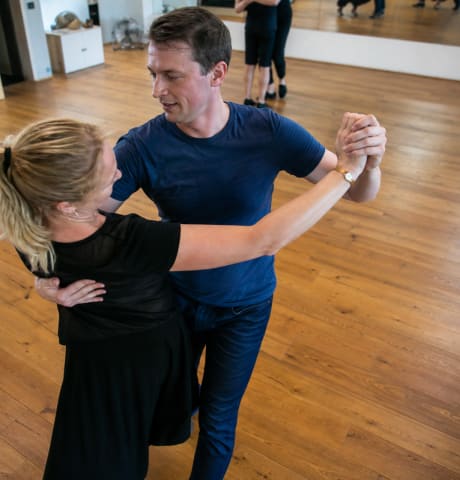
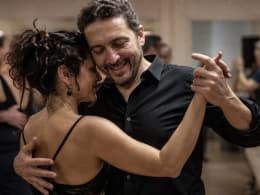
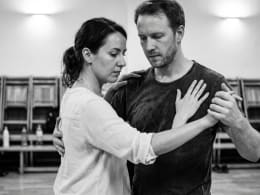
If you want to learn Forró in Cologne, you will encounter a Brazilian partner dance that captivates you from the very first step with its palpable closeness and grounding. In contrast to expansive dances like Waltz or Quickstep, the couple in Forró usually moves in a very small space. The dance posture is intimate and compact: the chest remains in gentle contact, while the leader's right hand stabilizes the back. This closeness requires no prior knowledge, but it does require mindfulness. If you are finding your way around the cathedral city, you will often find Forró as an independent category in studios around Ehrenfeld, the Belgian Quarter, and the Südstadt, which specialize in Latin American culture alongside the classic offerings of dance schools in Cologne.

Classes focus on two main styles: the fluid, turn-heavy Forró Universitário and the closely embraced Roots style. Beginners start with simple side steps and gentle swaying in a two-four time signature, driven by triangle, accordion, and zabumba. Since roles rotate continuously in class, a fixed dance partner is not mandatory: if you are looking to connect, you can also start workshops together with like-minded people via a targeted dance partner search in Cologne. The Cologne scene is characterized by a particularly open culture of welcome, where physical contact meets respect and clear communication.

In Forró, leading is created through minimal weight shifts in the upper body, while the feet work close together.

Forró in a nutshell

Time signature of typical Forró music
2/4
Main styles in Cologne classes
2
Partner rotation per class
often

Your first steps in Brazilian Forró

  1. Building the close embrace

    Stand facing each other and close the embrace so that the right side of your chests maintains gentle contact. The connection remains soft, without pressure or holding on.

  2. Feel the two-four time

    Listen to the deep beat of the zabumba and shift your weight from foot to foot. You have the rhythm when your knees spring loosely and the movement reaches your body.

  3. Practicing the basic side step

    Step to the side with your left foot, bring your right foot to meet it, and tap lightly without shifting your weight before moving to the opposite side. The movement works well when there is no jerking in your upper body.

  4. Leading the weight shift

    Lead the change of direction gently through your chest and shoulder, not by pulling with your arms. The follower feels the impulse immediately in the torso and moves along softly.

Frequently Asked Questions

  1. Normal everyday clothing is perfectly fine, ideally breathable cotton in layers. Since Forró is a contact dance, we recommend bringing a fresh spare T-shirt for longer class sessions.

Learn Forró and partner dance in Cologne

Find current dance courses and deepen your sense of rhythm in Cologne.

View all suitable courses

You rarely dance Forró alone

Find dance enthusiasts and suitable beginner courses for Brazilian rhythms in your area on udansa.

You rarely dance Forró alone