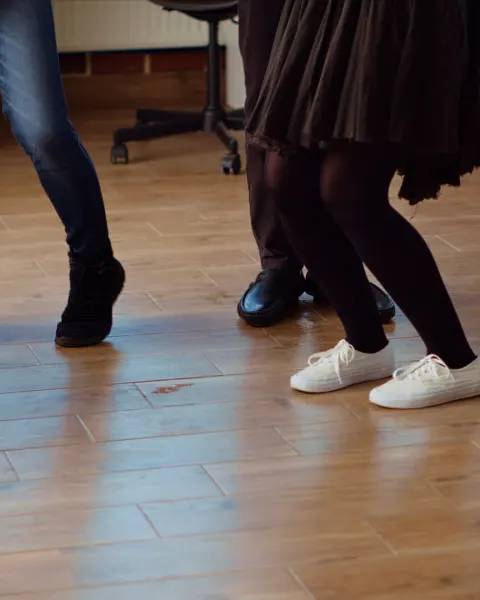
Dance stylesDance styles in Cologne

Kizomba in Cologne: Basics, styles and choosing a course

5 minutes
In a nutshell
  • Kizomba originates from Angola and is characterized by a close dance posture, soft hip movements, and an earth-bound way of dancing.
  • Urban Kiz is a European evolution set to Hip-Hop and R&B beats with a more upright posture, linear steps, and isolated stops.
  • For beginners in Cologne, it is recommended to clarify the focus of the class beforehand, as the music, posture, and leading technique differ noticeably.
  • Current courses and workshops in Cologne can be easily selected via the course filter according to your individual level.

Precise leading, fluid steps and two styles that are often confused: A clear look at technique, posture and music helps you with your course selection for Kizomba in Cologne.

DefinitionKizomba

Kizomba is an African partner dance that originated in Angola from traditional Semba and Caribbean Zouk rhythms. The dance is based on close connection zones and soft, gliding steps in a four-four time signature.

From its Angolan origins to modern development

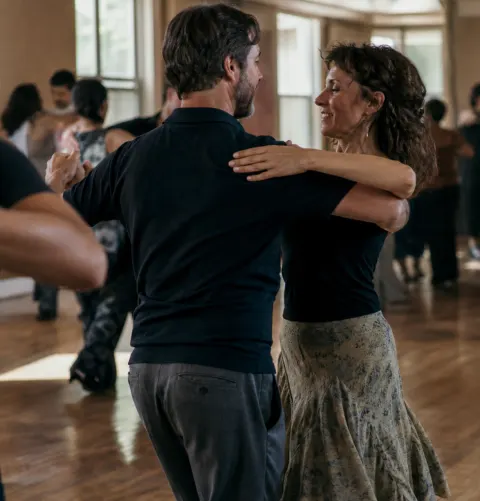
If you are looking for a dance course in Cologne, you will quickly come across Kizomba alongside classic partner dances. This partner dance has its roots in Angola in the 1980s and developed from traditional Semba music as well as Caribbean Zouk influences. On the dance floor, Kizomba is characterized by a calm, steady pulse. Dancers move in a grounded way, while leading is done almost exclusively through upper body contact and minimal weight shifts. If you are interested in other dance styles in Cologne, you will quickly notice the difference to Latin American dances: there are no expansive turns or fast footwork, but rather a subtle, shared movement in rhythm.

From this Angolan foundation, a modern variation has developed in Europe: Urban Kiz. This variant incorporates influences from R&B, pop, Hip-Hop, and electronic music. The steps are led in a more linear fashion, the posture is more upright, and musical elements like pauses or tempo changes play a central role. If you want to learn Kizomba, you should therefore know which of these two worlds is the focus of the class before your first lesson.
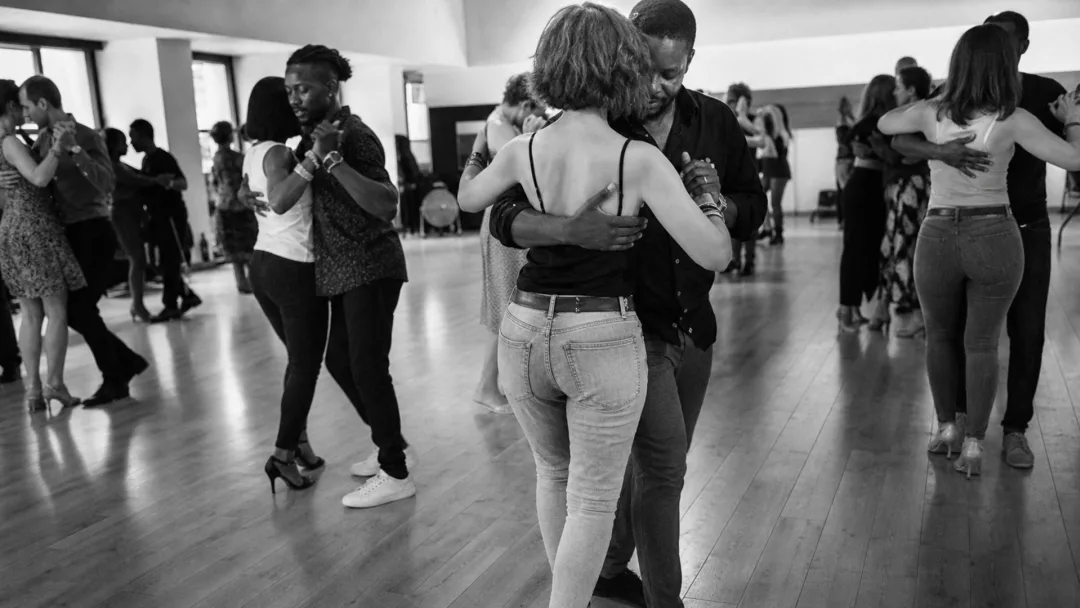
Clean weight transfer and a stable axis are more important in Kizomba than complicated figures.

The differences between traditional Kizomba and Urban Kiz

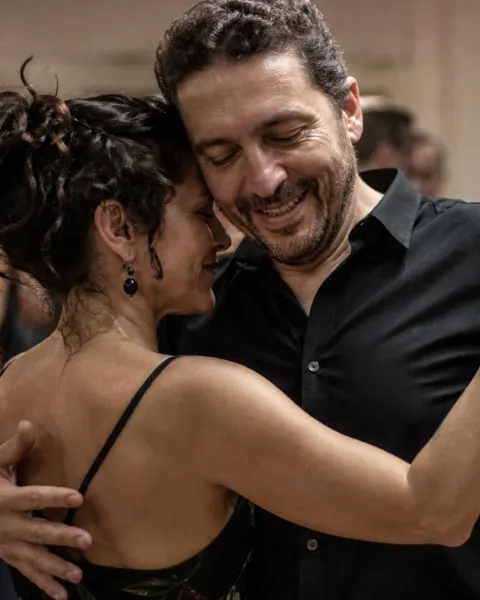
Deciding between traditional Kizomba and Urban Kiz is difficult for many beginners because both styles use the same rhythmic counting base, but feel completely different on the dance floor. Traditional Kizomba emphasizes its African heritage: the knees remain slightly bent, the pelvis moves softly in the ginga or banga, and the couple remains in a close, continuous embrace. Here, it is primarily about grounding, musicality, and flowing together to the music.

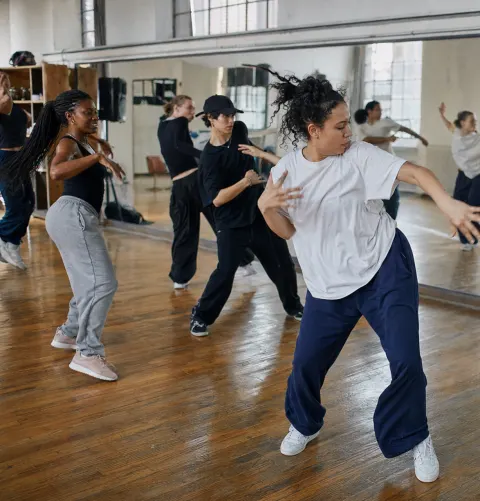
Urban Kiz, on the other hand, focuses on clean lines and visual dynamics. The partners keep more distance from each other, which creates space for syncopations, leg techniques, so-called taps, and sudden stops. Before attending a workshop or course, it is worth listening to audio samples of the respective styles. Those who appreciate slow, organic beats with African percussion will feel comfortable in traditional courses. Those who prefer modern, synthetic sounds will find the right profile in Urban Kiz. Anyone who has already gained experience with Brazilian Zouk will recognize some lead impulses and musical elements.

Preparing for your first course

How to get started

  • Clarify in advance whether traditional Kizomba or Urban Kiz is being taught
  • Look for shoes with a smooth sole that allows for easy turning, without a rubber tread
  • Focus on precise weight transfer instead of counting steps
  • Change partners regularly during the class to improve your leading and following

Typical beginner mistakes

  • Booking a course without knowing the musical focus
  • Training with sticky sneakers or slippery socks
  • Memorizing only complicated step combinations
  • Dancing only with the same person and thereby overlooking leading errors

Kizomba courses in Cologne

Find the right course or workshop for Kizomba and Urban Kiz near you.

You don't learn Kizomba with your head, but with the soles of your feet and your breath. When a couple shifts their weight in sync, the magic happens without any complicated figures.

Dance instructor for Kizomba and African dances

What matters when choosing a course

A structured Kizomba course is primarily characterized by the fact that technique and leading take precedence over pure sequences of figures. Because both styles work intensively with weight shifts, leads and follows must learn how to transmit signals without pulling on the arm. Good instructors teach balance on your own feet and ensure that the connection via the chest or hands remains stable, but pressure-free.

When choosing your course, look for a clear level system. For beginners, a regular introductory course or a compact weekend workshop is recommended, where the basics of basic steps one through three and posture are built up calmly. Some providers offer a trial lesson or a trial session in Cologne in advance to get to know the teaching pace and group dynamics without any obligation. You can find all current dates and courses in your area in the course search on this page.

Two styles in direct comparison

Tradition

Kizomba

Grounding and African heritage

Danced in a close embrace with soft footwork and circular pelvic movement to Angolan rhythms. The focus is entirely on the shared flow and the connection within the couple.

Modern

Urban Kiz

Linear dynamics to urban beats

Geometric footwork, isolated taps, and striking tempo stops to modern beats define this style. The dance posture allows for more space between partners.

Frequently Asked Questions

  1. No, in most courses, partners are rotated regularly so that both roles learn clear leading and sensitive following. Individual registrations are therefore welcome almost everywhere.

Bernhard De Lucaudansa editorial team ·
Share
Know-how for the floor

From the guide

View all articles