
Experience new rhythms together
On udansa you meet like-minded people who share your passion for global rhythms. Find dance partners here for workshops, courses, or the next world music festival in your area.


By Mary De LucaUpdated
On udansa you meet like-minded people who share your passion for global rhythms. Find dance partners here for workshops, courses, or the next world music festival in your area.
Traditional instruments are the beating heart of solo dance. They do not just set the tempo, they also determine how we translate the rhythm into our own bodies with their unique timbres.
Relevance for solo dance
Only traditional instruments that are characteristic of solo dance styles have been selected.
Cultural origin
udansa only lists instruments that are outside the classical European orchestra.
Independent selection
No payments or sponsorship funds were accepted for the placement of instruments or manufacturers.

West Africa, wooden body with goatskin, extremely dynamic
The djembe is the queen of African drums. Its extreme contrasts between deep bass and whipping slap challenge the whole body to powerful, earthy steps and wide jumps.
North Africa and the Middle East, goblet-shaped, very bright and crisp
With its fast, metallic beats, the darbuka is the heart of oriental rhythm. It drives solo dancers to incredibly precise hip isolations and fast shimmies.
Arabian region, 11 or 12 strings, fretless and warm
The short-necked lute, the oud, provides the melancholic, warm melodies for oriental dance. Since it has no frets, it allows for microtonal sliding movements, which dancers translate into fluid arm and upper body movements.
North India, up to 21 strings, hypnotic and rich in overtones
The sitar creates a distinctive, floating sound with its sympathetic resonance strings. It forms the rhythmic and melodic foundation for the highly complex footwork and hand gestures of classical Indian dance.
Widespread globally, flat wooden frame with a skin head
This large frame drum provides a deep, earthy, and hypnotic pulse. It is often used in ritual dances and trance dances, as its monotonous beat mimics the heartbeat and calms movement.
When we move away from classic European ballrooms, the foundation of movement changes fundamentally. While a steady, melodic orchestral sound often dictates the beat in ballroom dancing, the world of world music is dominated by the direct, physical connection between the sound body and the dancer's body. A single instrument, such as the West African djembe or the oriental darbuka, can send entire dance communities into a trance or drive them to explosive solos through its subtle timbres and enormous dynamics.
Understanding these instruments changes the way we move. Anyone who learns to feel the deep bass of a frame drum in their pelvis or to trace the delicate embellishments of an oud with their hands no longer just dances to the music, but becomes a part of it. These organic sounds invite you to abandon rigid posture and engage in isolations, earthy steps, and free improvisation. To dive deeper into these fascinating sound worlds, it is also worth taking a look at Music for solo dance: The magical rhythms of world music, which forms the theoretical framework for this dance journey.
The darbuka is a goblet-shaped hand drum that provides fast accents in oriental dance. The djembe, on the other hand, is a chalice-shaped African drum with a deep bass and loud slaps, which invites earthy, expansive steps.
String instruments like the oud or sitar create flowing, often improvised melodic lines. Dancers use these sounds for soft wave movements, slow turns, and emotional expression in the upper body.
Yes, absolutely. Many modern solo dance playlists use folktronica or organic house, where traditional instruments like the oud, sitar, or djembe are mixed with electronic beats to create a driving dance atmosphere.
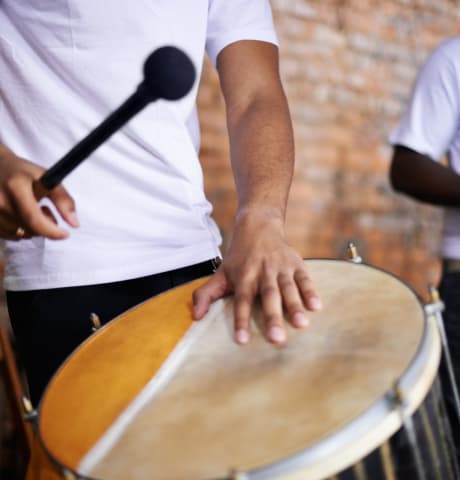 Belly Dance Music: Rhythms and Instruments in FocusDive into the fascinating world of oriental dance music and learn how typical drum rhythms shape your dance. A practical guide for rhythmic understanding.
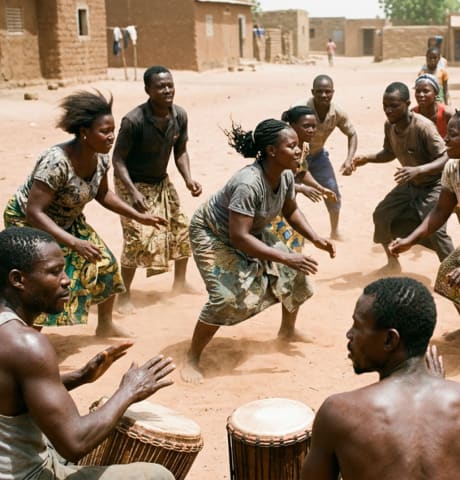 African drum rhythms for dance: The power of the djembeDive into the fascinating world of West African drum rhythms and learn how the djembe and bass drums guide the movements of traditional solo dance.
 Learn to dance Afrobeat and master the rhythmLearn how to decode the infectious 8-beat rhythm of Afrobeat and Dancehall. With this guide, you will master the necessary isolations step by step.
 Music for solo dance: The magical rhythms of world musicDive into the fascinating world of solo dance music. Learn how traditional instruments and modern beats can shape and inspire your dance without a partner.
 Dancing polyrhythms: A guide for solo dancersLearn how to dance complex polyrhythms from world music by isolating different body parts. This guide shows you the path to perfect rhythmic independence.
 Which solo dance suits me? The big rhythm testFind out which solo dance truly suits your personality with our big rhythm test. Discover your dance home between folklore, polyrhythms, and club beats.
 Folktronica Dance Trends: The New Passion for Organic BeatsTraditional rhythms merge with electronic beats. Learn everything about the trend towards Folktronica and Organic House in solo dance.
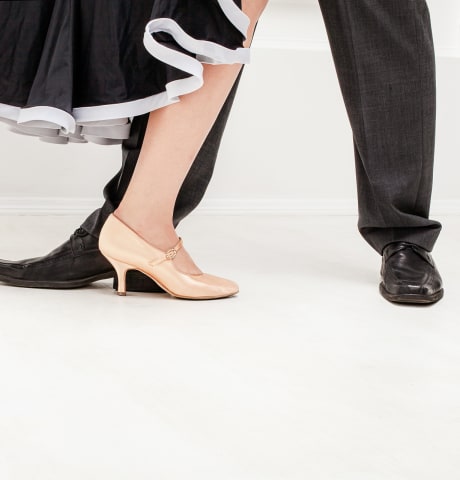 Irish Dance music: Reels, Jigs, and the rhythm of the feetDiscover how your feet become a percussion instrument in Irish step dance. We explore the difference between Reels and Jigs, plus the captivating rhythms of folk music.
 Sufi music and whirling dance: The hypnotic rhythms of the SemaImmerse yourself in the world of Sufi music and the ritual whirling dance of the dervishes. Discover how the hypnotic rhythms of the Sema guide mind and body into a trance.
 The best solo dance music playlist: Ideas for your practiceFind the perfect rhythms for your dance practice at home. This handpicked selection guides you step by step from simple warm-up beats to complex polyrhythms.