Find your dance style in Leipzig
Find suitable courses, open dance evenings, and dance partners for your style directly via the search.

By Mary De LucaUpdated
Find suitable courses, open dance evenings, and dance partners for your style directly via the search.
Whether it is elegant partner dance, Caribbean rhythm, or free solo dance: anyone wanting to learn to dance is often faced with a confusing variety. A clear look at step patterns, body work, and music helps with the decision.
Dance styles refer to historically evolved or modern forms of dance, which are defined by specific step patterns, postures, and rhythms. They reflect different cultural traditions and range from choreographed stage forms to social partner dance.
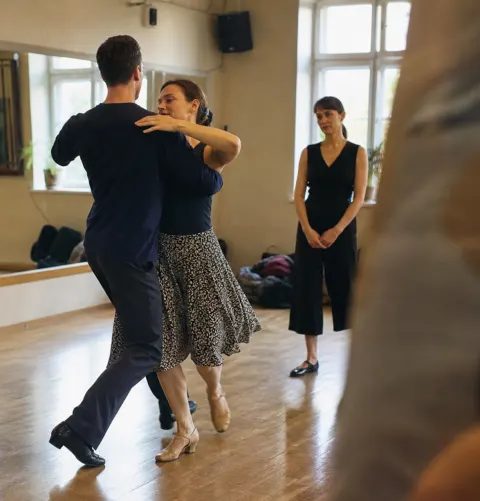
The selection of dance styles in Leipzig is diverse and ranges from calm partner dances to dynamic solo rhythms. Which dance style suits you depends primarily on whether you appreciate fixed sequences of steps or are looking for free space for improvisation. Dances like Argentine Tango thrive on the subtle feeling of the center of gravity and a wordless dialogue within the pair, while Caribbean dances like Salsa or Bachata function strongly through springy basic steps and rhythmic hip movements. Those who enjoy dancing to swing music, on the other hand, often move in a lively scene full of bounce and relaxed turns.
In addition to partner dances, solo dance styles like Modern Dance or contemporary dance offer a way to train your own body expression without being tied to a partner. Here, the focus is on floorwork, a sense of space, and dynamic changes between tension and release. If you are finding your way around Leipzig, it is worth taking a look at the musical foundation before signing up: a dance style will only be enjoyable in the long run if you also like the music away from the dance floor.

Many beginners believe that every dance style requires the same level of coordinative precision from the start. In reality, however, the styles differ fundamentally in their learning curve. With Discofox or classic Merengue, you usually succeed after just a few bars because the step pattern remains straightforward and the music provides a clear pulse. With Salsa or Bachata, the syncopated counting and rhythmic weight shifting require a bit more patience at the beginning.
This difference becomes particularly clear when comparing ballroom dances with improvisation forms like Argentine Tango. While Waltz and Foxtrot are characterized by clear lines and continuous paths along the line of dance, Tango emerges from walking and spontaneous reactions to your partner. This requires less memorizing of long step sequences and more mindfulness for your shared balance. A deeper sense for such movement concepts is also provided by exploring historical dance knowledge, as documented in the collections of the Tanzarchiv Leipzig.
Like this
Don't do this
Compare offers for Salsa, Tango, Bachata and other dance styles in Leipzig.
A dance style suits you when the music carries you away in everyday life and the movement feels honest.
Before you commit to a fixed dance course, you should check how the respective lessons are structured. Reputable studios and courses are characterized by the fact that they teach the basics of dance posture, clean walking, and leading technique, instead of just stringing complex figures together. A trial lesson offers the best opportunity to get to know the instructor's pace and the atmosphere in the group.
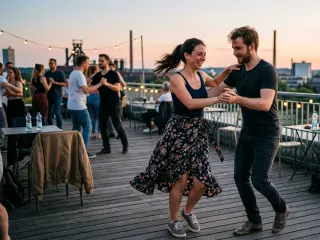
Also, pay attention to whether the style offers social dance opportunities. In scenes revolving around Swing, Salsa, Bachata, or Tango, free dancing at evenings and prácticas, like at the Wasserhäuschen in Plagwitz, is an integral part of the dance culture. At the same time, the city's diversity of movement is also reflected in professional productions: for example, the Leipzig Ballet at the opera house shows classical as well as neoclassical works, while historic halls at gala balls in the Felsenkeller or the Schaubühne Lindenfels invite you to dance. Those looking for modern urban rhythms will find connections to the club scene with places like Werk 2 or Conne Island, which our guide to clubs in Leipzig reports on in detail.
Spontaneous reaction as a couple
Dances like Argentine Tango or Bachata emerge from the direct dialogue between partners. You react flexibly to the music and your partner, completely without rigid step sequences.
Clear paths and counts
Classic ballroom dances or fixed choreographies in stage dance rely on exact counts and established paths. They provide security through a clear structure.
No, for most beginner courses in Leipzig you do not need a fixed partner. In many courses, partners are rotated regularly during class, which trains your adaptability in leading and following.
At the beginning, comfortable shoes with a clean, smooth sole that allow you to turn effortlessly are sufficient. For styles like Tango or Latin, special dance shoes with suede soles are worth it later on for better grip and flexibility.
That depends on your preferences: Discofox or Merengue offer quick success thanks to their straightforward rhythms. Salsa and Bachata require a bit of rhythm, while Tango Argentino requires patience for posture and weight shifting.
 Salsa in Leipzig: Scene, styles, and dance floors
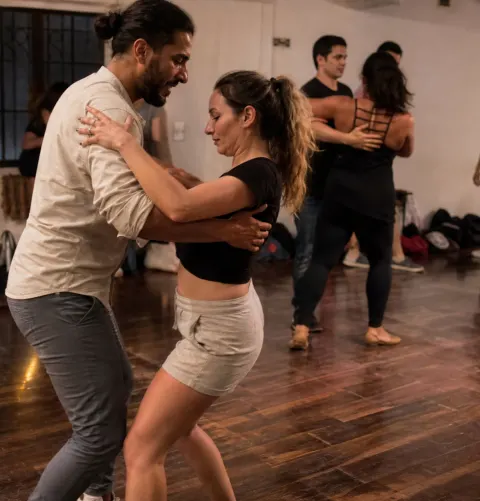 Bachata Leipzig: Sensual, Dominicana and tips for beginners
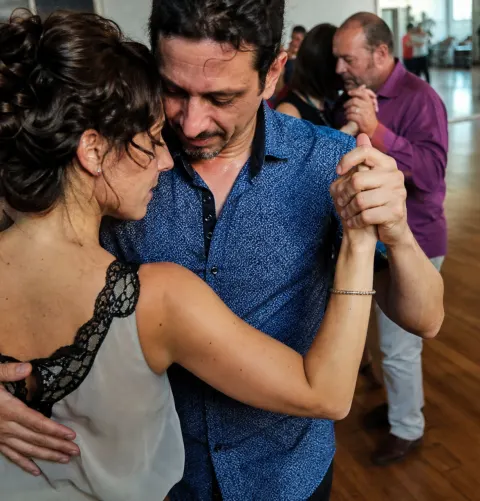 Tango in Leipzig: Getting started with Milonga and Tango Argentino
 Lindy Hop Leipzig: How to get started with swing
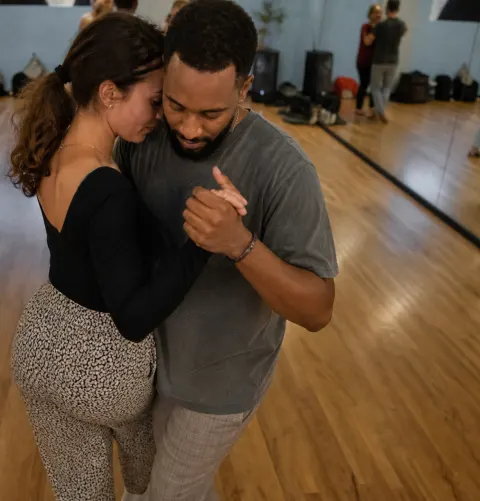 Kizomba in Leipzig: Your guide to Urban Kiz and Semba
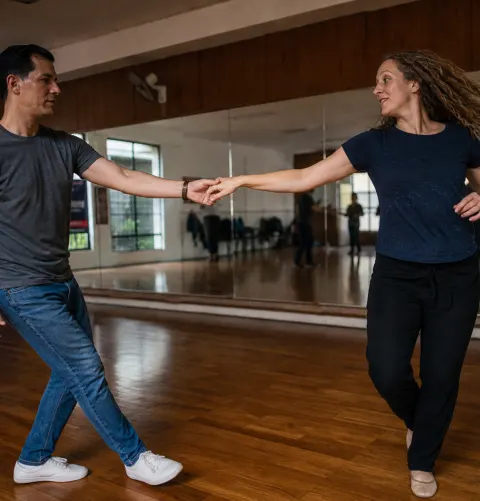 West Coast Swing in Leipzig: Focus on modern partner dance
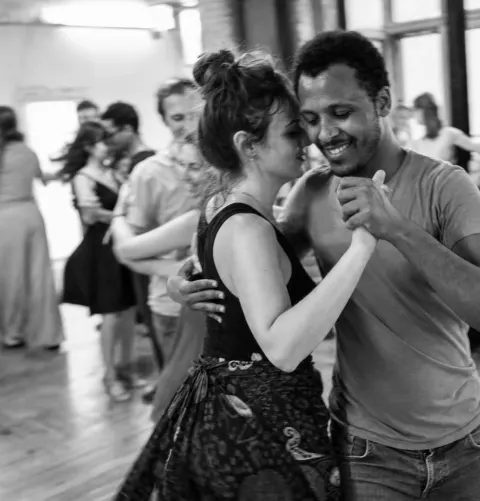 Forró in Leipzig: Experience Brazilian Joy of Life
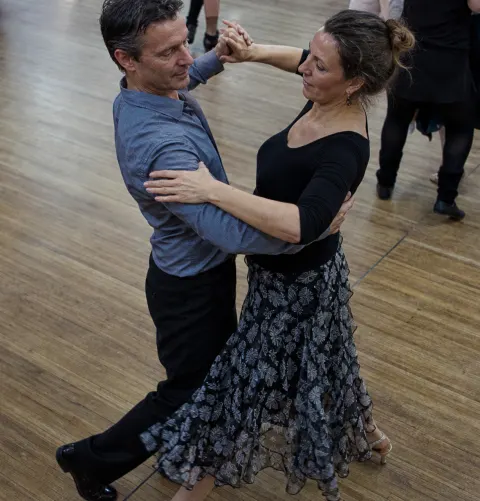 Ballroom dancing in Leipzig: Waltz, dance frame and technique
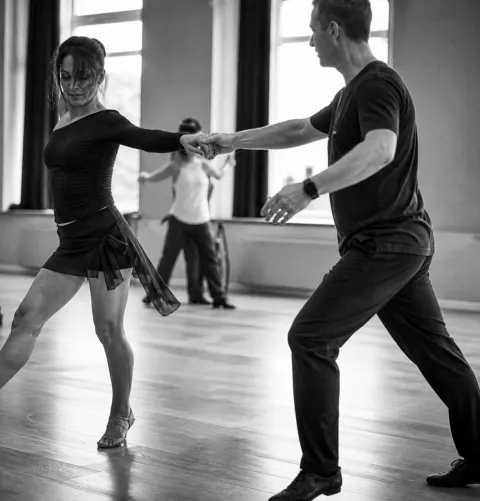 Latin American dances in Leipzig: Cha-Cha, Rumba and Jive
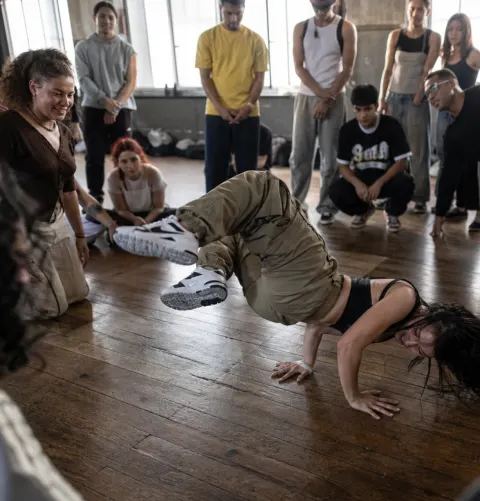 Hip Hop in Leipzig: Understanding urban dance, battles, and cyphers
 Contemporary Dance in Leipzig: Space for Free Movement
 Flamenco in Leipzig: Rhythm, pride, and Spanish dance
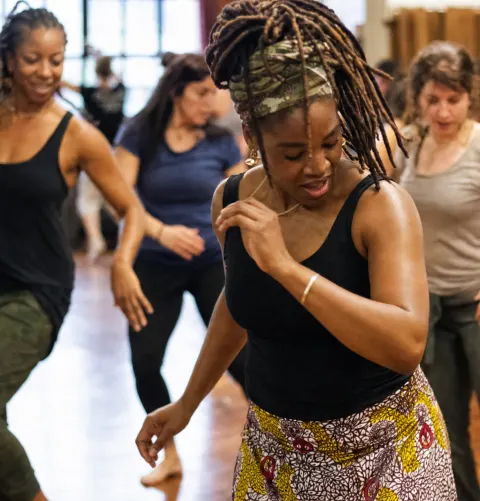 Afrobeats dance in Leipzig: club culture, grounding, and groove
 Which dance style suits me in Leipzig? The self-test
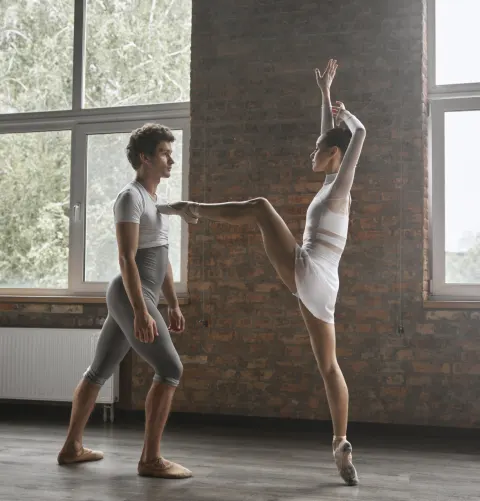 Leipziger Ballett: Understanding dance history at Oper Leipzig