Performing artsDance styles in Leipzig

Leipzig Ballet: Understand dance history at the Leipzig Opera

5 minutes
In short
  • The Leipzig Ballet has its permanent home at the Opera House on Augustusplatz and traces its roots back to the late 17th century.
  • The repertoire includes classical narrative ballets as well as neoclassical and contemporary productions.
  • Since 1991, the ensemble has been particularly well known for its symphonic ballets, which translate music directly into spatial choreography.
  • For your visit to a performance, neat attire and arriving in good time before the start of the show are sufficient.

An evening at the opera house opens up fascinating worlds between virtuoso body control and orchestral music. If you understand how choreography and music interlock, you will experience the ensemble's performances with completely new eyes.

DefinitionSymphonic Ballet

Symphonic ballet refers to a choreographic form in which a multi-movement orchestral composition without a fixed plot is translated directly into dance. The structure of the music determines the step sequences, spatial paths, and group dynamics of the ensemble.

Tradition at Augustusplatz since 1960

The Leipzig Ballet looks back on an impressive history, with roots reaching back to the late 17th century. Since the grand opening of the modern opera house at Augustusplatz in 1960, the long-standing company has had its permanent artistic home there. Anyone attending a performance will experience a permanent ensemble that brings major classical narrative ballets to the stage with the same dedication as contemporary pieces. Through this combination of respect for tradition and the courage to explore new forms, the company has secured its rank in the cultural life of central Germany.

A significant turning point in recent history began in 1991: the ensemble developed a distinctive profile through large-scale, symphonic ballets in the neoclassical style. These productions are characterized by musical precision, where the structure of the composition is translated directly into the dancers' movements. Anyone who would like to learn more about the historical background and documents of the art of movement in the region will find one of the most important collections on regional dance history at the Tanzarchiv Leipzig.
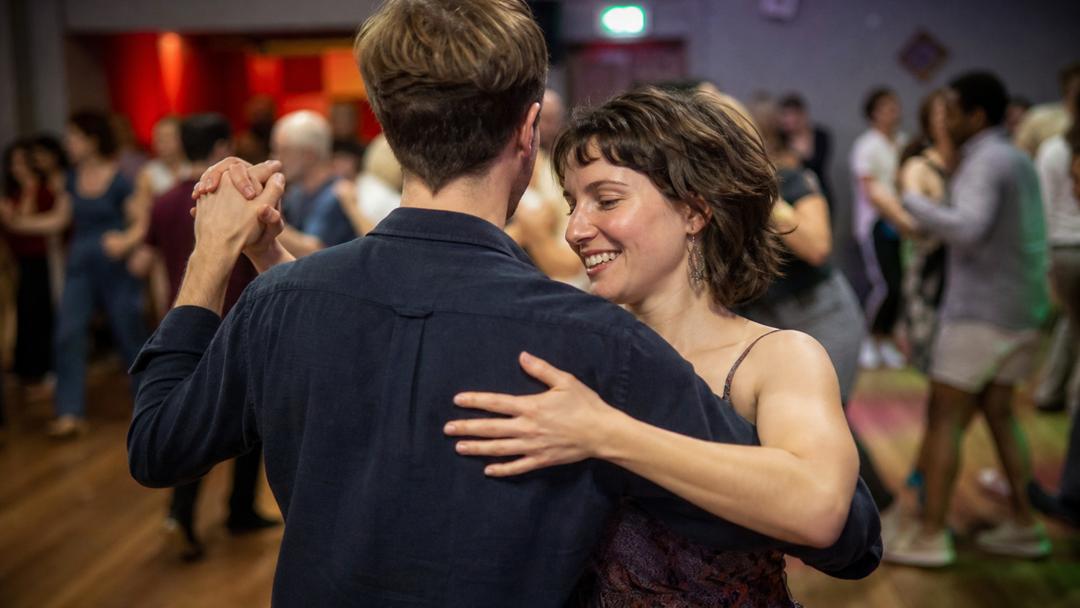
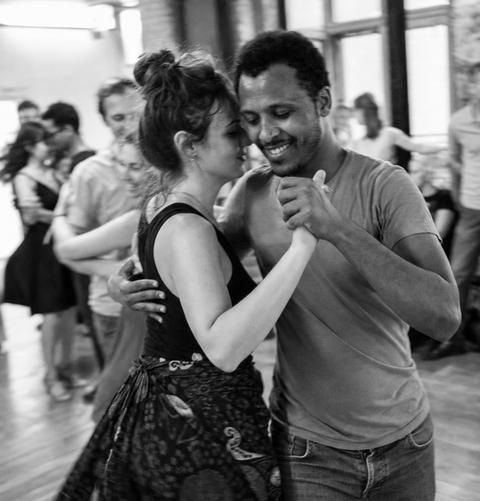
The architecture of the modern opera house provides the perfect setting for the ensemble's wide-ranging spatial movements.

Narrative ballet and neoclassical forms

Many theater newcomers expect ballet to consist primarily of strict tutus, pointe shoes, and fairy-tale plots like in Swan Lake or Sleeping Beauty. Classical narrative ballet indeed follows a fixed story and uses established pantomime gestures as well as virtuosic solos to make a story tangible. However, anyone watching performances for ballet in Leipzig quickly notices that the spectrum extends far beyond that.

Neoclassical and symphonic ballet often consciously dispenses with a linear fairy-tale scenario. Instead of retelling a literary source, the focus here is on the dynamics of the music: spatial paths, choral movements of the ensemble, and artistic lifts visualize the score. For the audience, this means: you do not need to bring any prior knowledge of mythological figures to be moved. It is enough to let the connection between the orchestral sound and the lines of the bodies take effect. Even away from ballet, the tradition-steeped house offers space for dance enthusiasts, for example when the Leipzig Opera Ball opens the dance floor to a dancing audience.

Visiting a performance at the theater

Recommended

  • Skim through the program before the performance begins
  • Applaud after completed scenes or during the curtain call
  • Widen your view to take in the entire stage design and the movement across the space

Avoid

  • Arriving at the very last moment before the hall doors close
  • Clapping in the middle of quiet orchestral passages
  • Staring exclusively at the footwork of individual dancers

Ballet and dance courses in Leipzig

Find the right course for your own start in dance.

If you want to understand ballet as a spectator, you do not need to learn sequences of steps, but rather learn how music becomes a visible body in space.

Dramaturg for music theatre and dance

Orientation for your first visit

An evening at the opera can sometimes seem formal to newcomers, but mutual consideration is the most important rule in the auditorium. There has long been no requirement for a tuxedo or evening gown: a neat outfit in which you feel comfortable is perfectly sufficient. To take in the events on the big stage without any rush, it is worth arriving in good time before the performance begins. If you skim through the program booklet in advance, you will not only learn details about the cast, but also understand whether it is a symphonic composition or a narrative piece.

While dancing is taking place, absolute silence in the hall is the most important rule, as even quiet noises disturb the concentration of the ensemble and the sound of the orchestra. Traditionally, applause is reserved for the end of solos, pas de deux, or only once the curtain has closed. If the sight of the professional dancers inspires you to become active yourself, you do not need to be a pro. In addition to the performances by the Leipzig Ballet, there are various opportunities in the city to learn how to dance, whether in partner dance or in taster sessions for historic ballrooms.

Two paths of ballet

Narrative

Narrative ballet

Classic storytelling in the ballet studio

Here, a concrete narrative takes center stage. The choreography uses defined character roles, historical costumes, and pantomimic gestures to make dramas, love stories, or fairy tales tangible on stage.

Symphonic

Neoclassical Ballet

Pure movement to an orchestral score

The focus is on the direct translation of music into movement. Without rigid role patterns, the ensemble visualizes the rhythms, tempos, and moods of the composition through clear lines and expansive dynamics.

Frequently Asked Questions

  1. No, a strict dress code like tails or an evening gown is uncommon today. Neat everyday clothing or smart casual wear are perfectly appropriate in the opera house, as long as you feel comfortable.

Mary De Lucaudansa editorial team ·
Share
Know-how for the floor

From the guide

View all articles